
Posts on the Topic Steel
 AI-generated
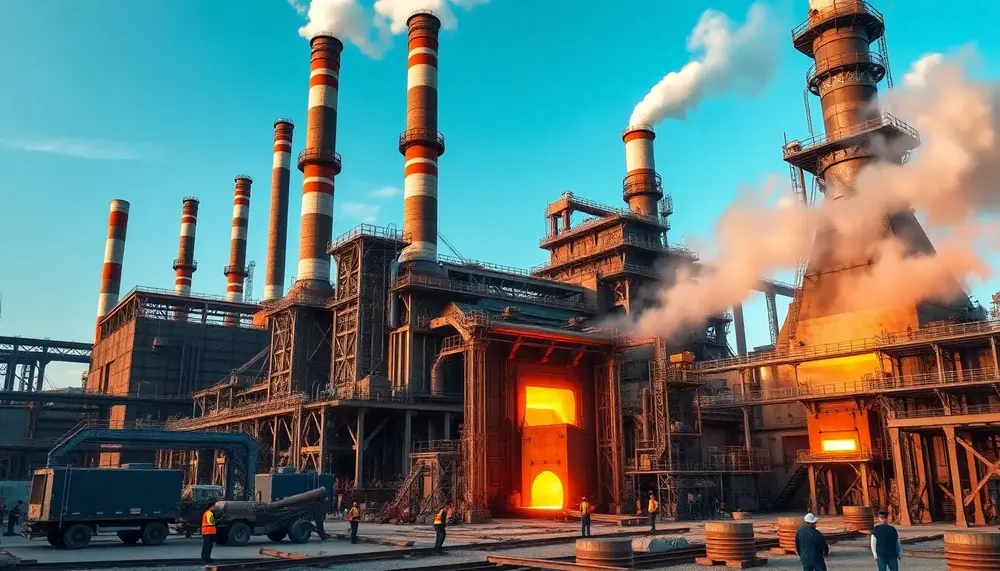
Steel is a versatile and crucial industrial material made from iron, carbon, and other elements; its production involves processes like primary steelmaking (BOF and EAF) and secondary refining to achieve desired properties for various applications....
 AI-generated
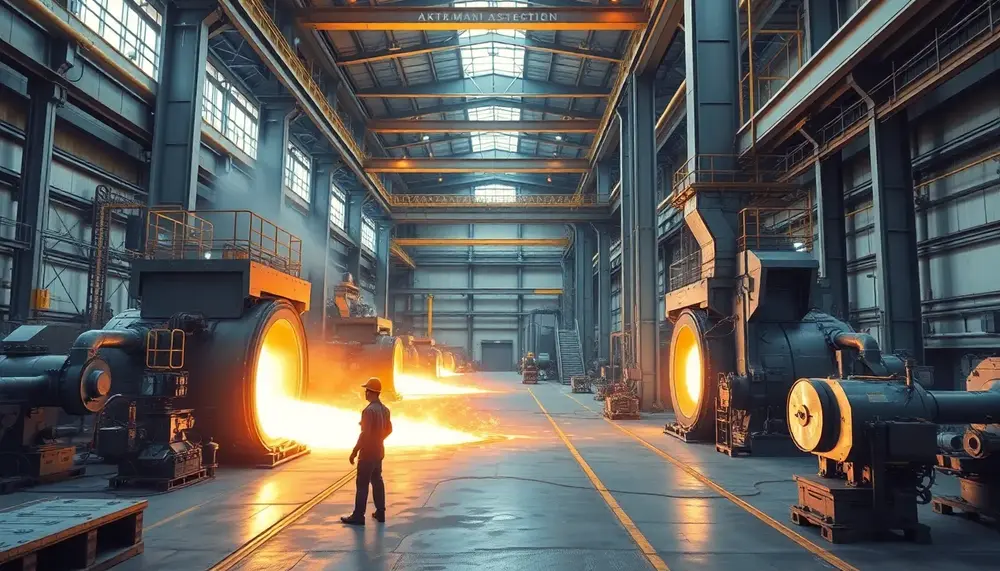
South Korea's steel industry has evolved into a global leader through strategic government investments, innovation in eco-friendly technologies, and significant contributions to the economy....
 AI-generated
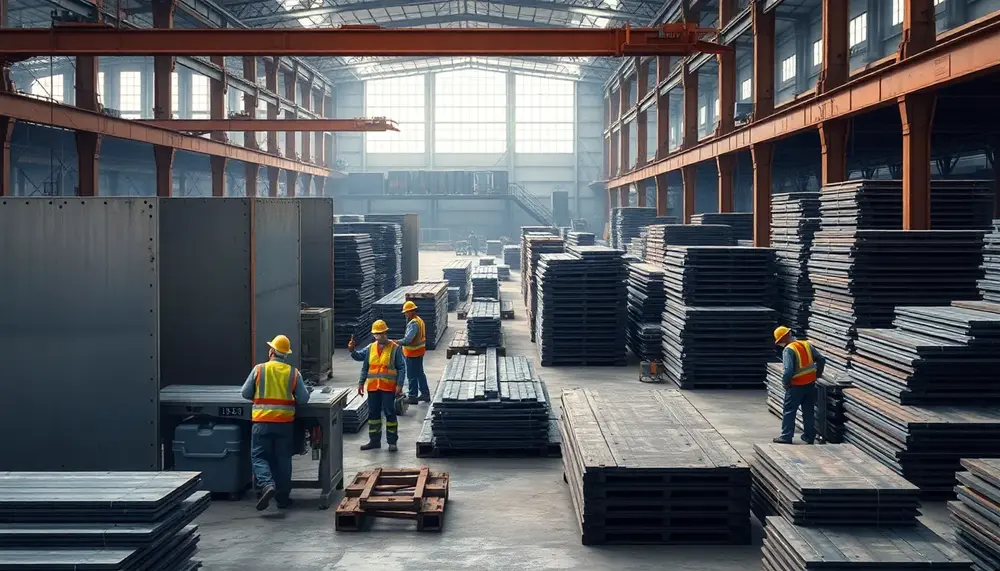
The manufacturing of steel almirahs involves a blend of art and science, utilizing precision machinery like lathes, drills, milling machines, and section bending tools to transform raw steel sheets into intricately designed and functional furniture pieces....
 AI-generated
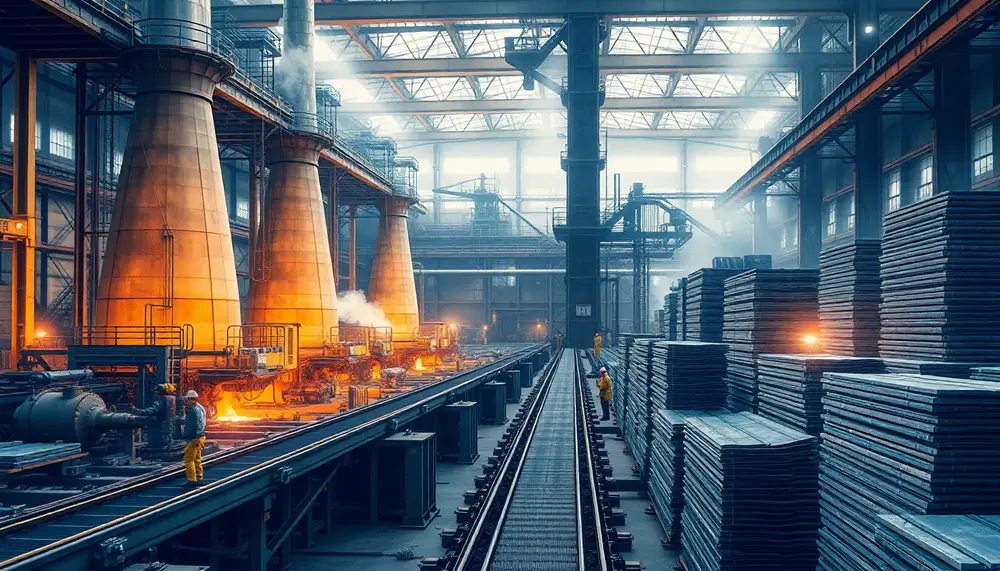
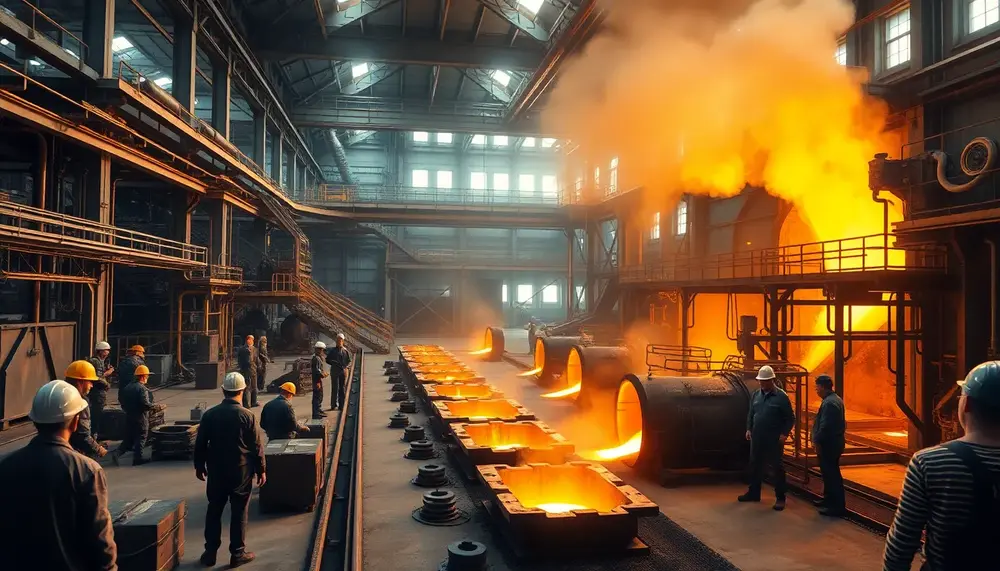
The steel-making process transforms iron ore into steel, essential for modern life but environmentally challenging; innovations like electrification and AI aim to reduce emissions and improve sustainability....
 AI-generated
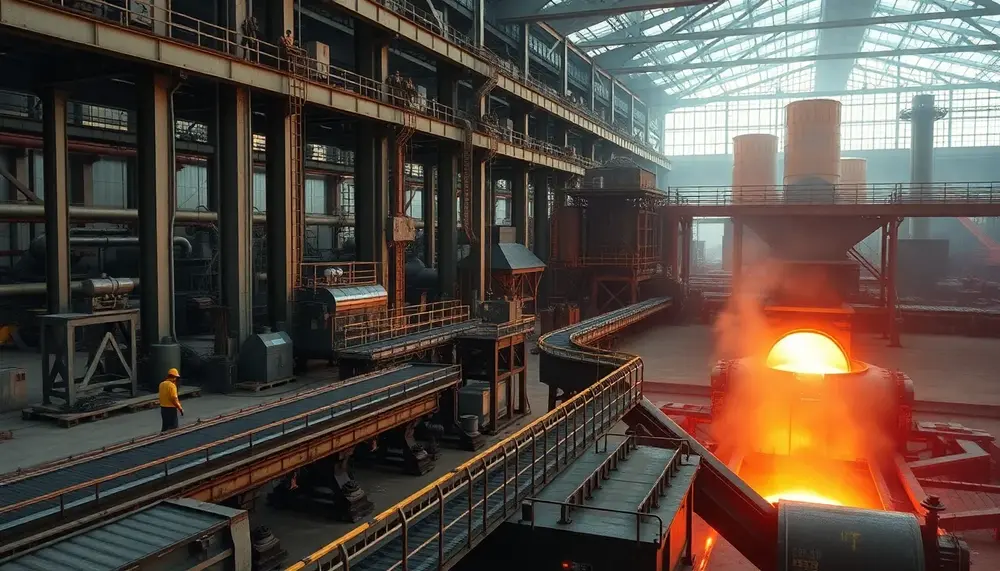
Steel nail production is a complex process involving the transformation of raw steel into durable nails, with innovations in design and materials enhancing their functionality for various applications....
 AI-generated
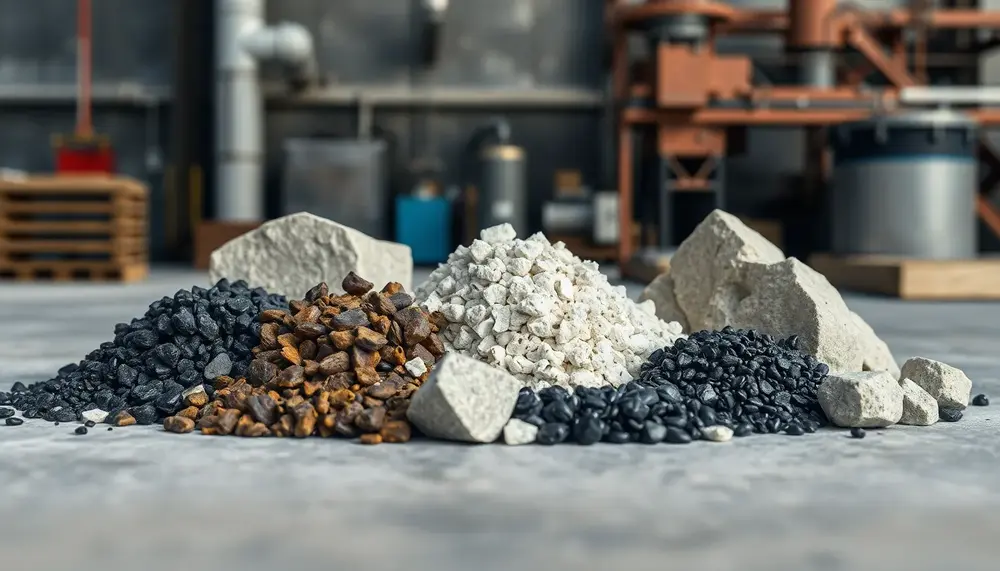
Steel manufacturing transforms raw materials like iron ore into robust steel products through a complex process involving chemistry, physics, and engineering. This journey from ancient methods to modern techniques includes steps such as blast furnace operations and refining processes, highlighting...
 AI-generated
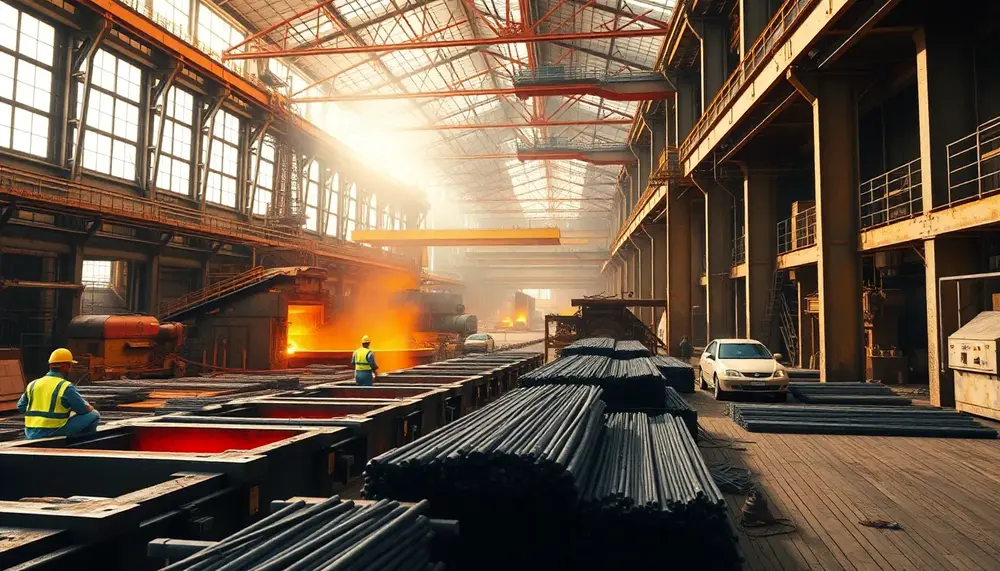
Steelmaking involves transforming iron ore, along with materials like limestone and coke, into steel through complex processes in blast furnaces; the quality of these raw materials is crucial for producing strong and durable steel. Different types of iron ores such...
 AI-generated
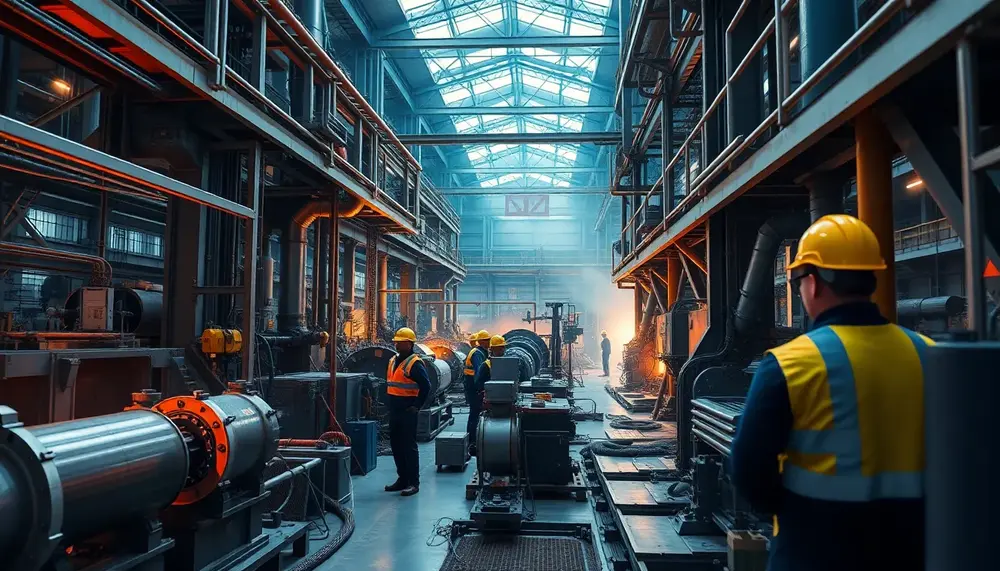
Rebar, a steel reinforcement bar used in concrete and masonry structures, enhances tensile strength to prevent cracking and structural failure; its various types cater to specific environmental needs while ensuring durability, safety, and cost-effectiveness in construction projects....
 AI-generated
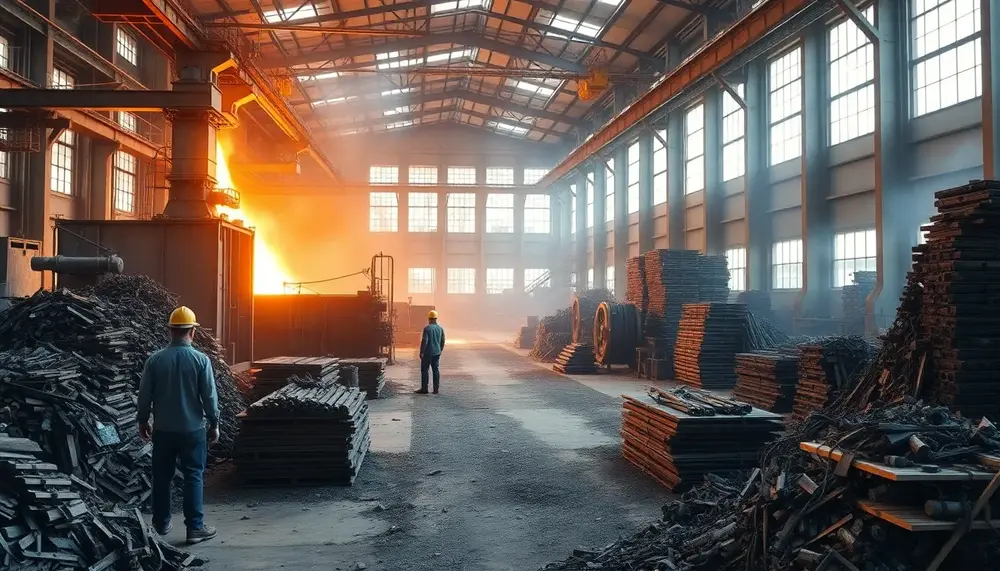
Tapping in steel making is a crucial process that impacts the quality and efficiency of production, with advancements like automation and predictive analytics enhancing precision, reducing waste, and improving energy use....
 AI-generated
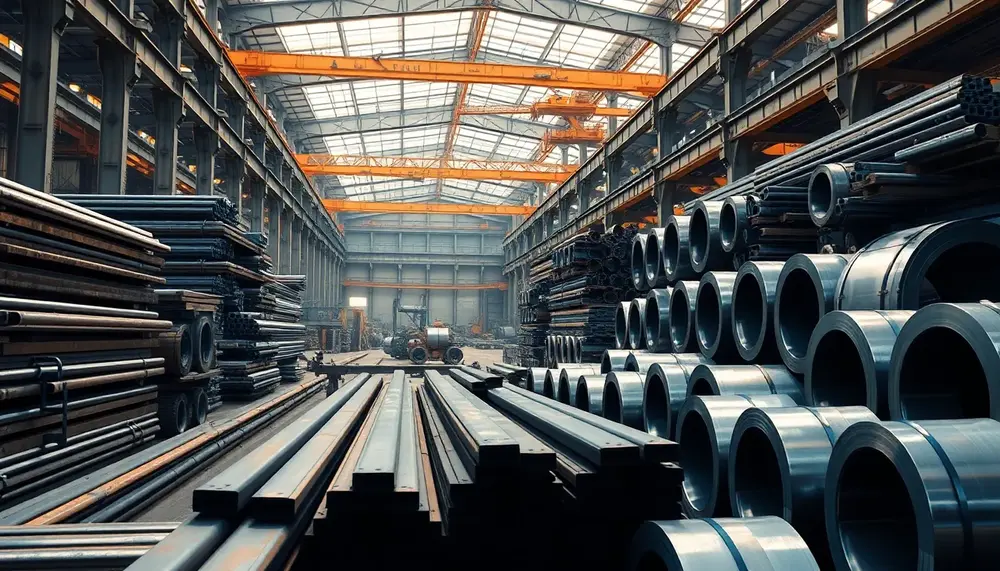
Steel recycling transforms old materials into new products, conserving resources and energy while Electric Arc Furnaces (EAFs) enhance sustainable steel production through efficient scrap melting....
 AI-generated
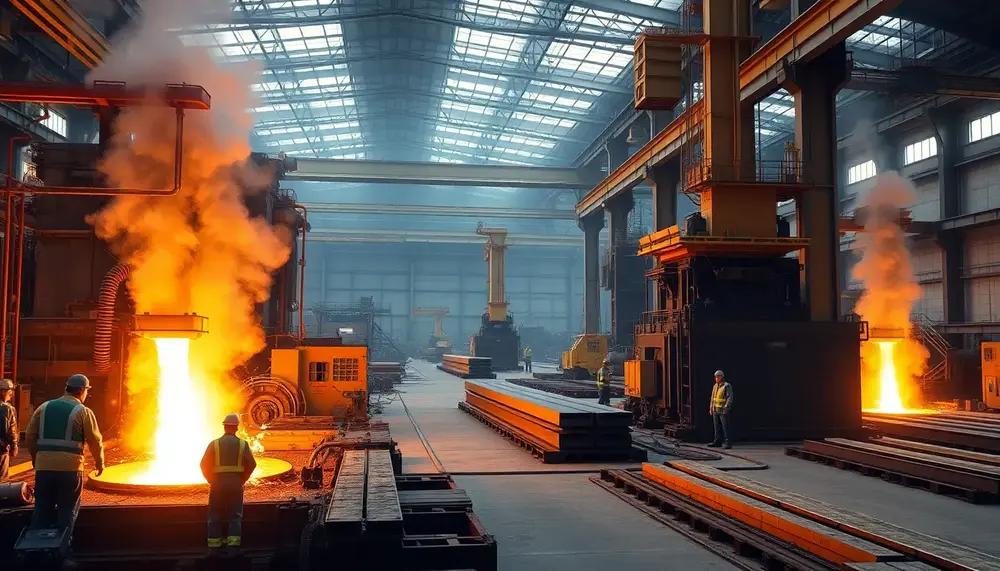
The article analyzes global steel production trends in 2023, highlighting regional differences and challenges such as supply chain disruptions. It examines the contrasting growth patterns across continents like Africa's rise due to infrastructure investments and Asia's decline influenced by China's...
 AI-generated
The reduction ratio in steel making is crucial for optimizing efficiency, cost-effectiveness, and quality by determining the mechanical properties of steel through factors like temperature and impurities. Modern advancements have shifted from traditional ratios to more efficient ones, reflecting innovation...
 AI-generated
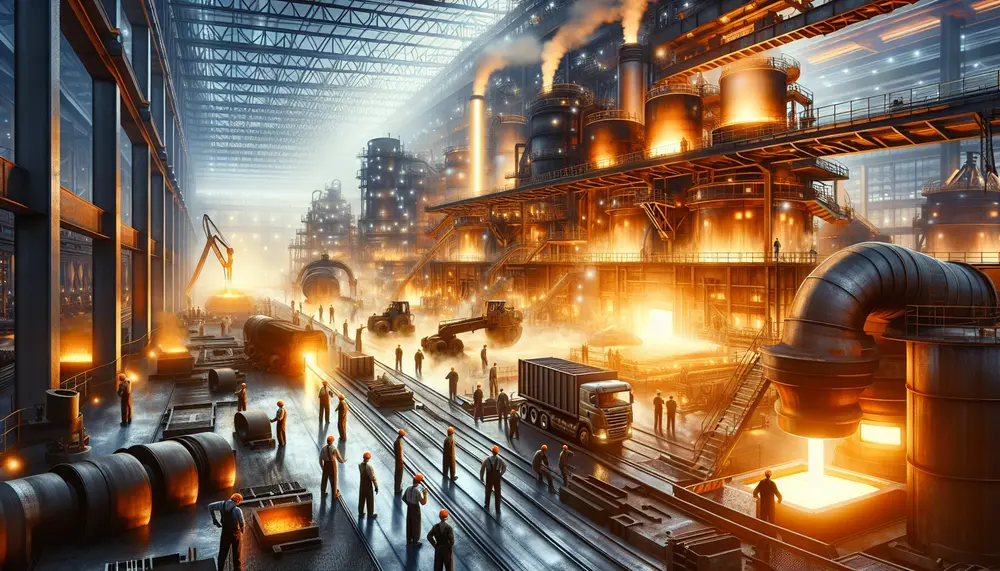
The steel making business offers lucrative opportunities driven by rising demand in sectors like construction and automotive, requiring understanding of market dynamics, strategic planning, and significant investments in technology and infrastructure to succeed....
 AI-generated
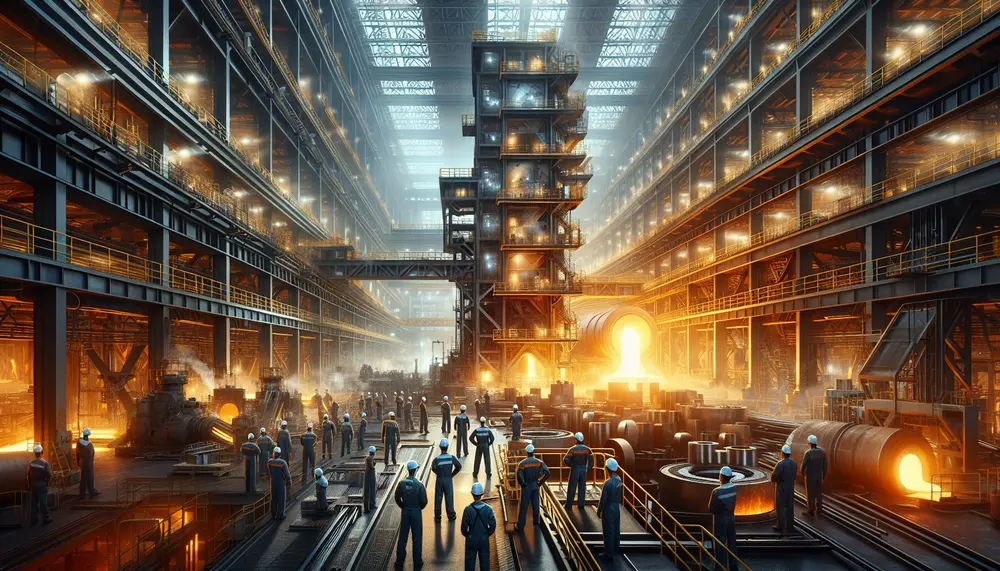
Steel making efficiency is crucial for competitiveness and sustainability, involving optimization of energy use, material utilization, process streamlining, technology integration, and recycling to reduce costs and environmental impact....
 AI-generated
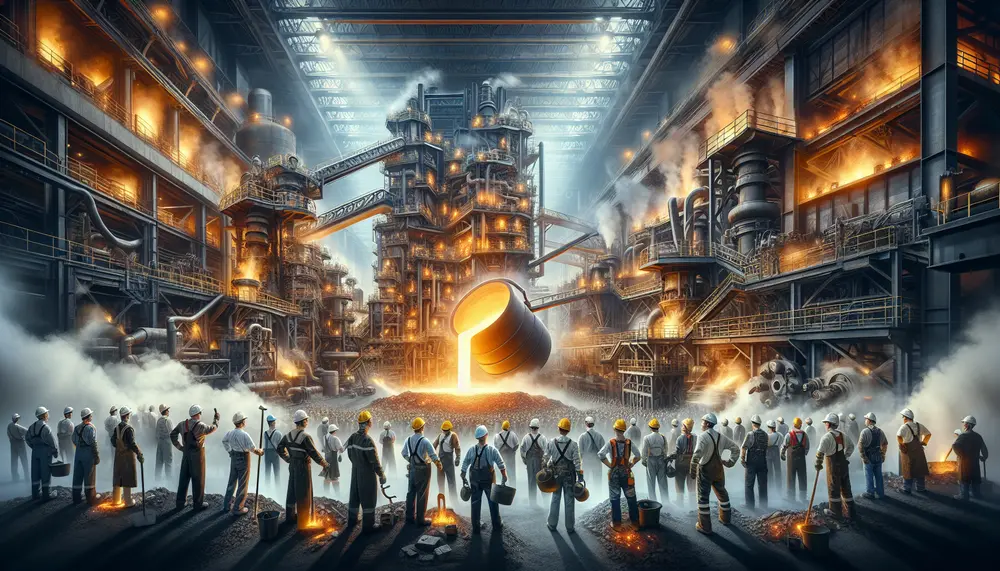
The article provides an overview of steel making, detailing its historical evolution and main processes such as ironmaking, primary and secondary steelmaking, casting, and forming; it highlights the importance of methods like the basic oxygen process and electric arc furnace...
 AI-generated
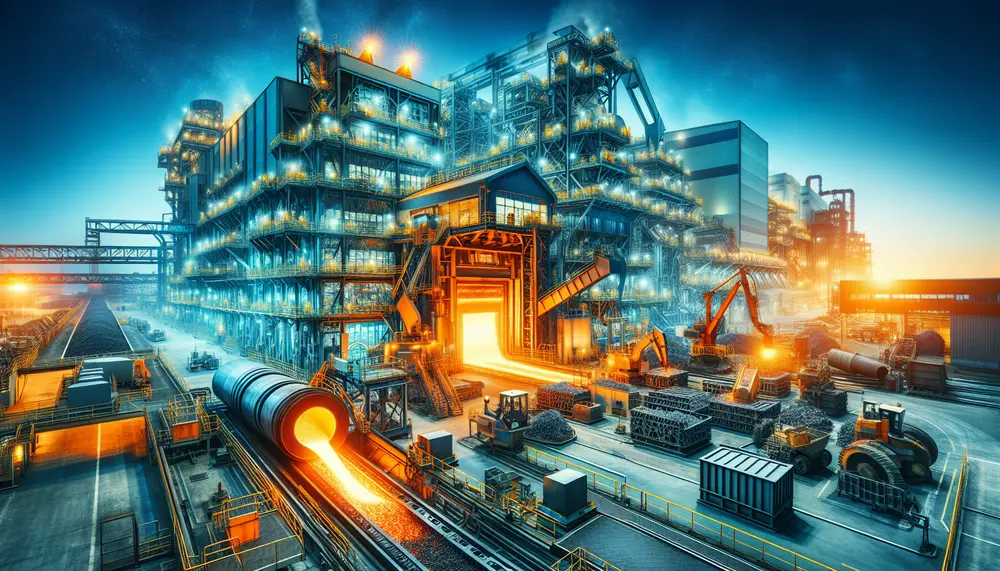
Steel recycling is a detailed process involving collection, sorting, shredding, melting, purification, and casting of scrap steel into new products; it offers significant environmental benefits like energy conservation and CO2 reduction while also providing economic advantages such as job creation...
 AI-generated
The article discusses various steelmaking furnace types, highlighting their unique characteristics and applications in the industry, emphasizing factors like efficiency, environmental impact, and suitability for different production needs....
 AI-generated
Lime is crucial in steelmaking, acting as a flux to remove impurities like phosphorus and sulfur, enhancing the quality of steel produced through processes such as EAF and BOF while also contributing to environmental sustainability by reducing emissions....
 AI-generated
Desulfurization in steelmaking is crucial for producing high-quality, durable steel by removing sulfur impurities that cause brittleness; advancements and techniques like desulfurizing agents, slag optimization, and vacuum treatment enhance this process while addressing challenges such as cost and environmental concerns....
 AI-generated
Steel making dies are essential tools in the manufacturing process, shaping steel with precision and consistency to meet industry demands; innovations like CAD/CAM systems have further enhanced their efficiency and quality....
 AI-generated
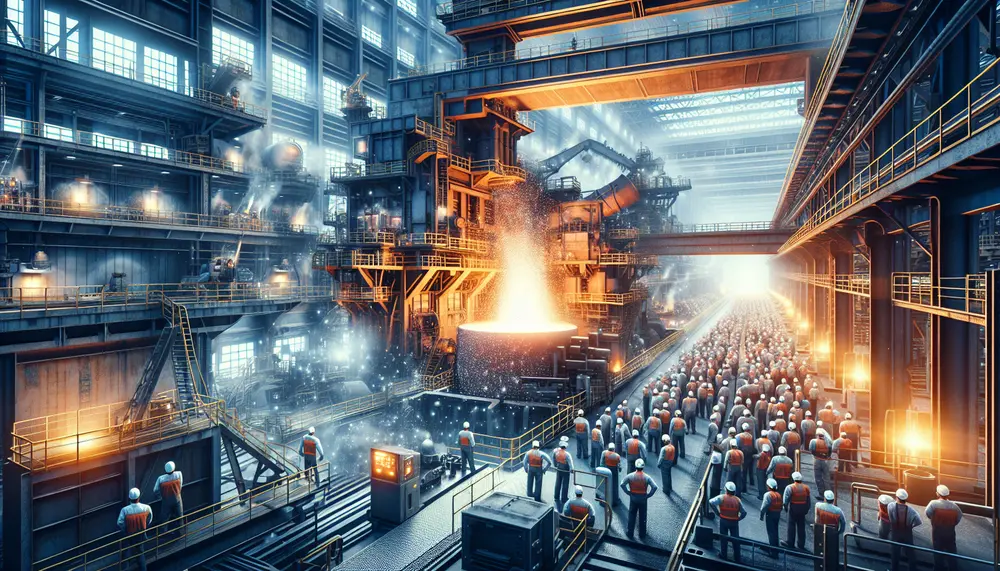
The VAD steelmaking process, or Vacuum Arc Degassing, is crucial for producing high-quality steel by removing impurities and gases like hydrogen and nitrogen through a vacuum environment, resulting in purer and more homogeneous steel with enhanced mechanical properties....
 AI-generated
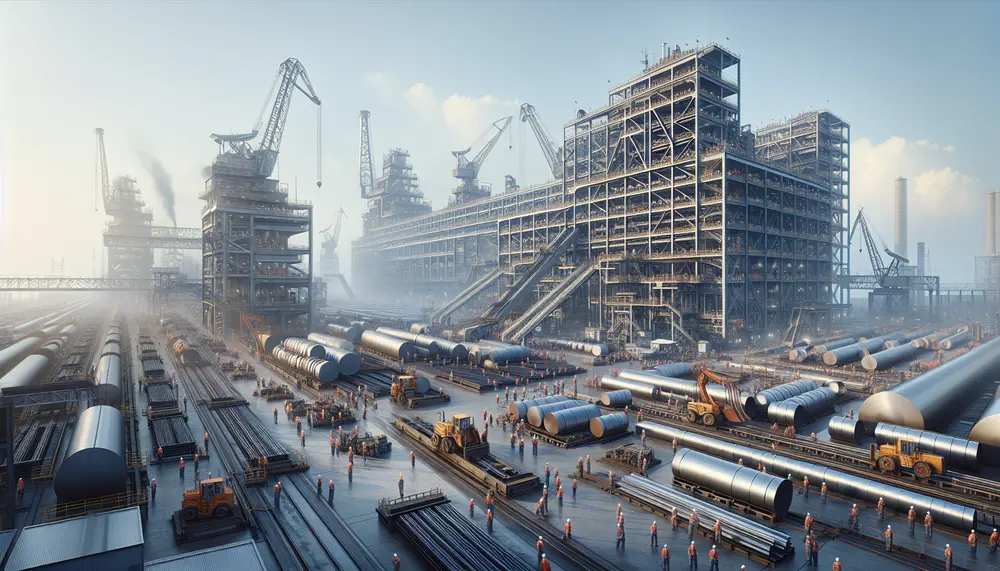
The US steel industry has evolved from traditional methods to sustainable practices, focusing on recycling and technological innovation, with key players like Cleveland-Cliffs and Nucor leading advancements. Despite challenges such as international competition and environmental regulations, the industry remains a...
 AI-generated
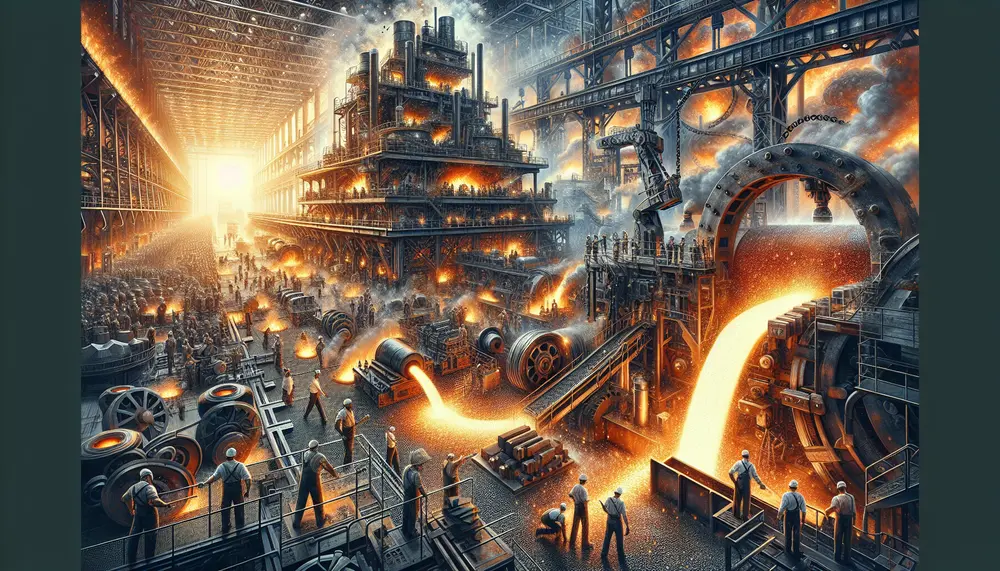
Steel making involves complex chemical reactions to transform raw materials into high-quality steel, primarily through oxidation and reduction processes. Oxygen plays a crucial role in oxidizing impurities like carbon, silicon, manganese, and phosphorus, which are then removed as gases or...
 AI-generated
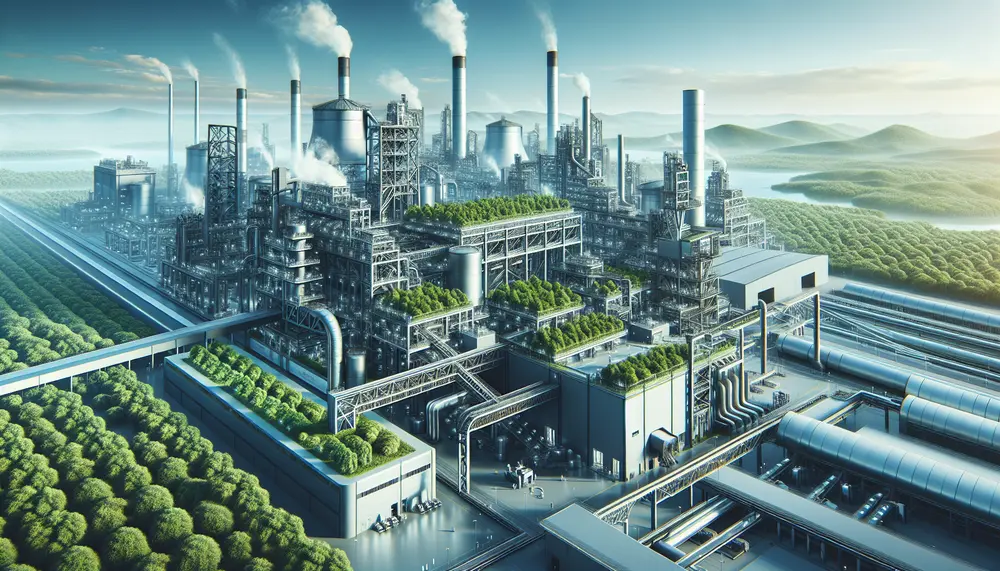
The green steelmaking process aims to reduce the significant CO₂ emissions from traditional steel production by utilizing cleaner technologies and renewable energy sources, including hydrogen. This transition involves optimizing existing processes, adopting new sustainable methods, and fully integrating green hydrogen...
 AI-generated
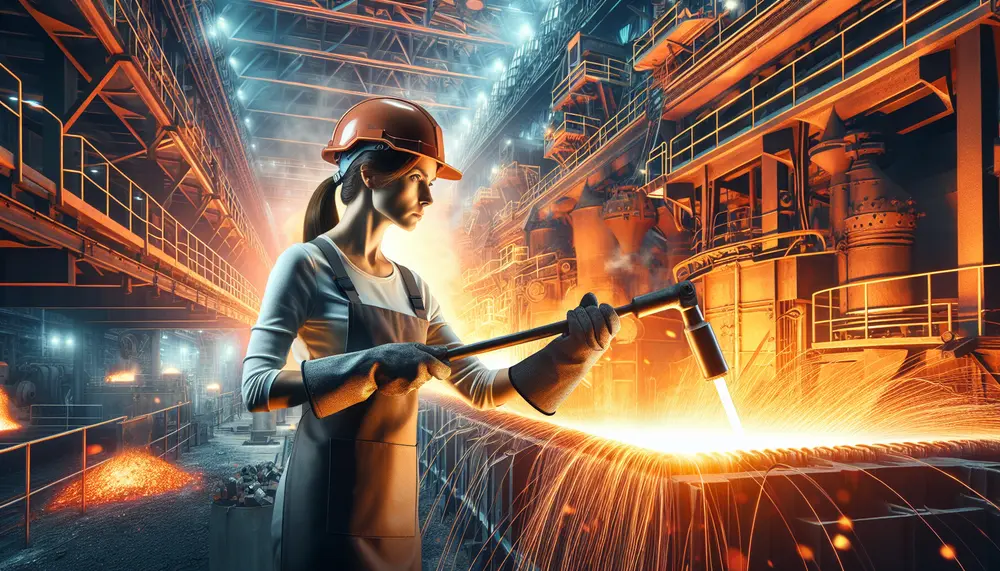
The steel making lance is a crucial tool in the steel production process, used to introduce gases like oxygen into molten metal for refining and impurity removal. Different types of lances serve specific purposes such as reducing carbon content or...
 AI-generated
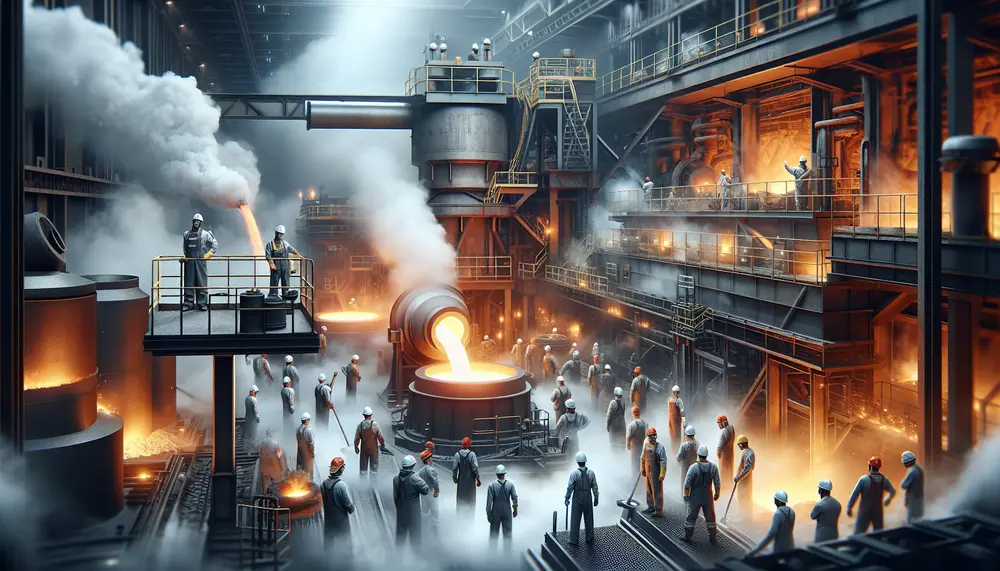
Understanding the gas composition in steelmaking is crucial for optimizing efficiency and reducing environmental impact. Key gases produced include Blast Furnace Gas, Coke Oven Gas, and Basic Oxygen Furnace Gas, each with unique compositions that can be harnessed for energy...
 AI-generated
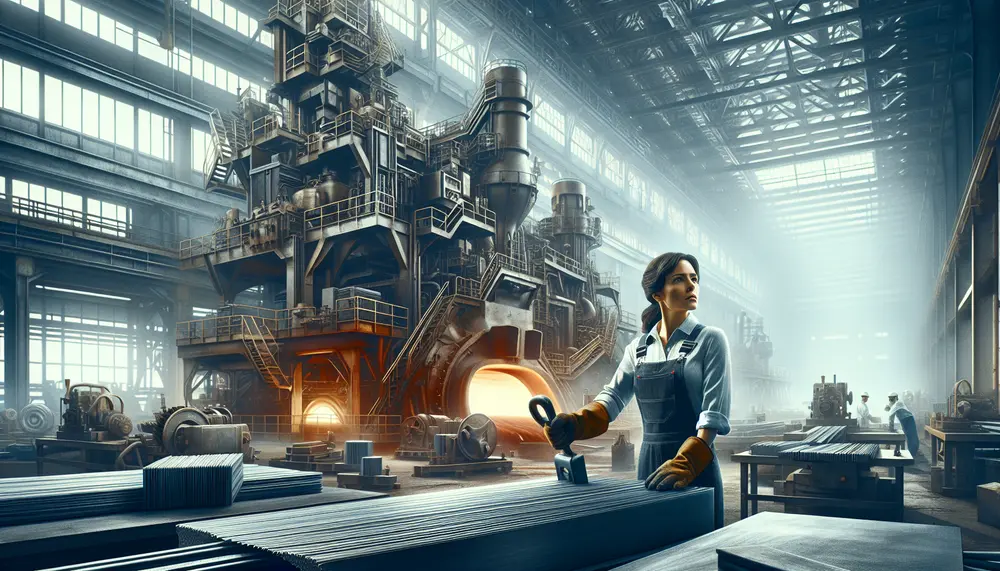
The article provides a comprehensive guide to steel production, simplifying core concepts for beginners and detailing key processes such as the Basic Oxygen Furnace (BOF) and Electric Arc Furnace (EAF) methods. It covers essential steps from ironmaking to finishing, offering...
 AI-generated
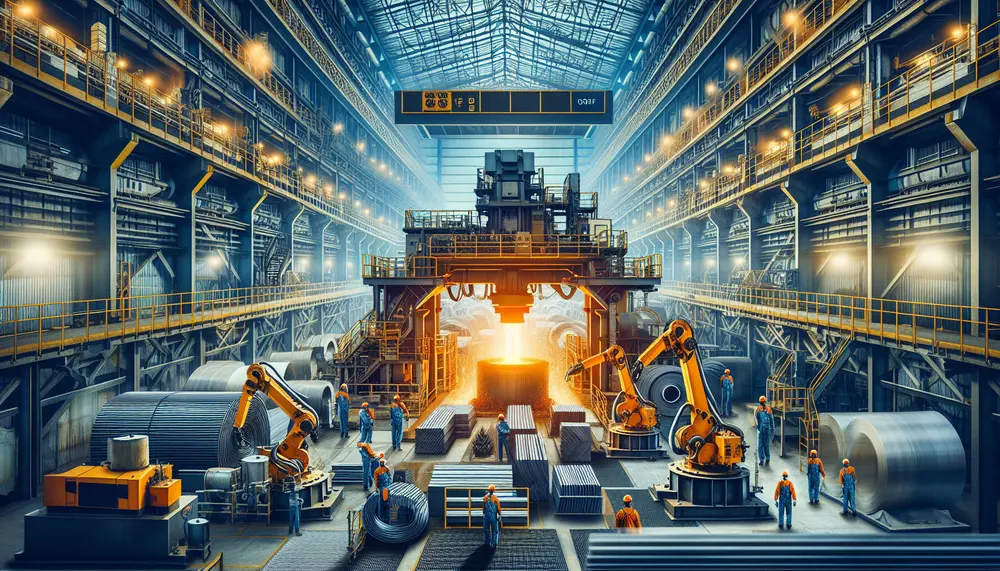
RH technology, initially developed for hydrogen removal in steel making, now plays a crucial role in secondary refining and purification to ensure high-quality steel production. Key advancements like oxygen lances, powder injection systems, the RH-TOP system, and modern vacuum pumps...
 AI-generated
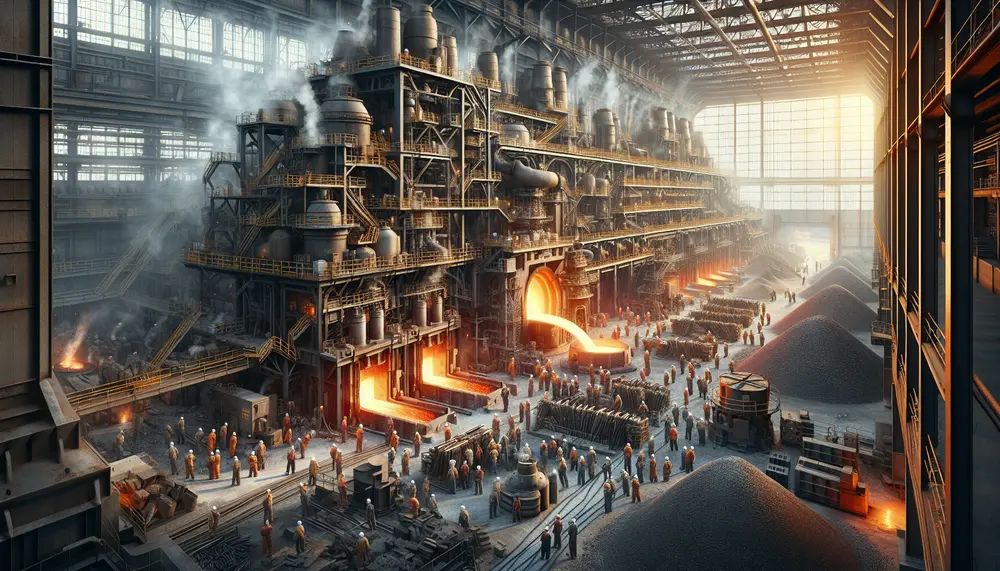
The article provides a comprehensive guide on steel making ore, detailing its types, extraction methods, and the importance of quality in producing high-grade steel. It emphasizes that understanding these aspects is crucial for improving efficiency and product quality in the...
 AI-generated
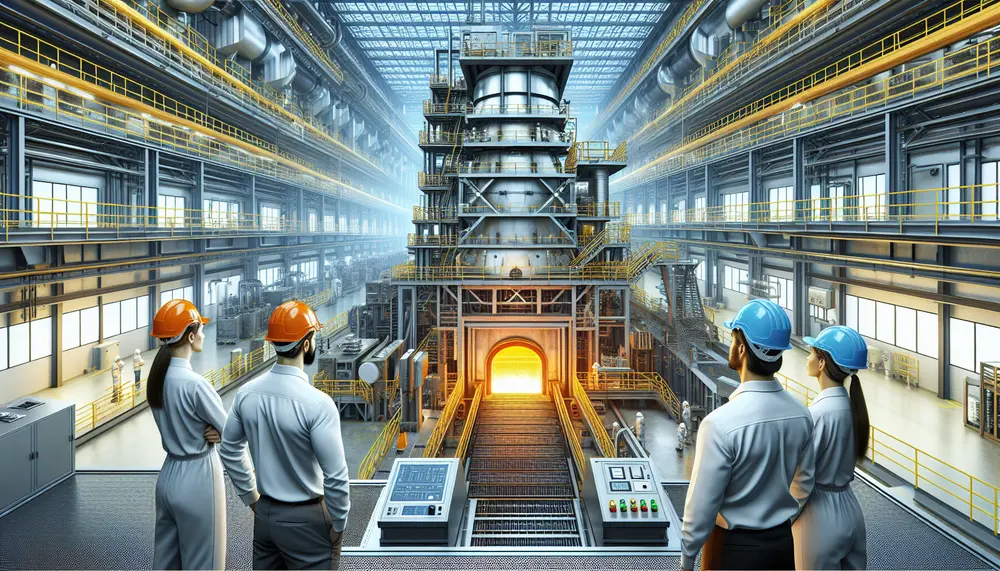
Steel making induction furnaces revolutionize the industry by providing controlled, energy-efficient methods for melting and refining steel through electromagnetic induction. These furnaces offer key advantages such as precise temperature control, reduced emissions, faster melting times, versatility in metal types, and...


