
Posts on the Topic Steel
 AI-generated
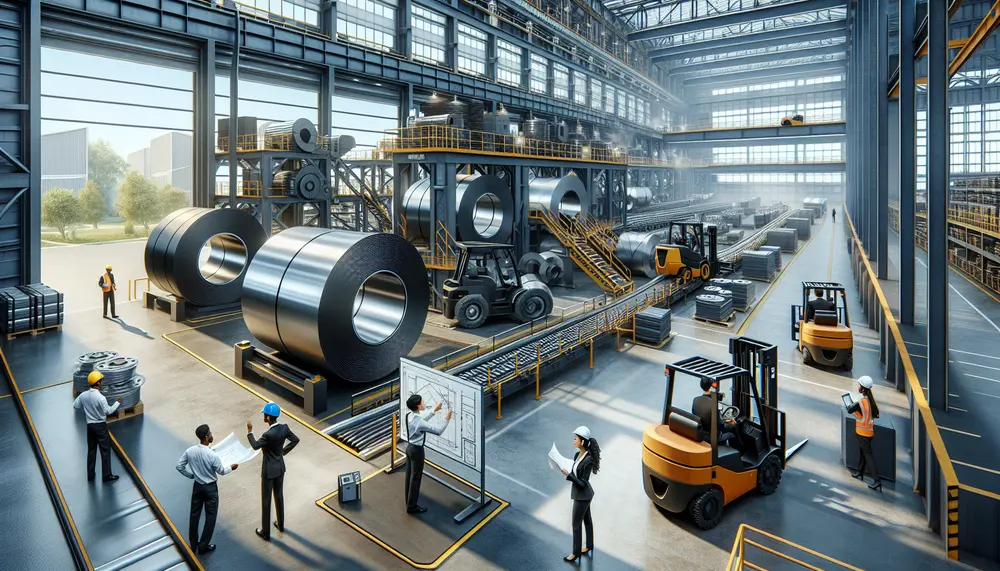
The article discusses the critical role of trading and logistics in the steel industry, highlighting key challenges such as complex supply chains and rising costs while presenting opportunities for improvement through advanced technologies, data analytics, and sustainable practices. By leveraging...
 AI-generated
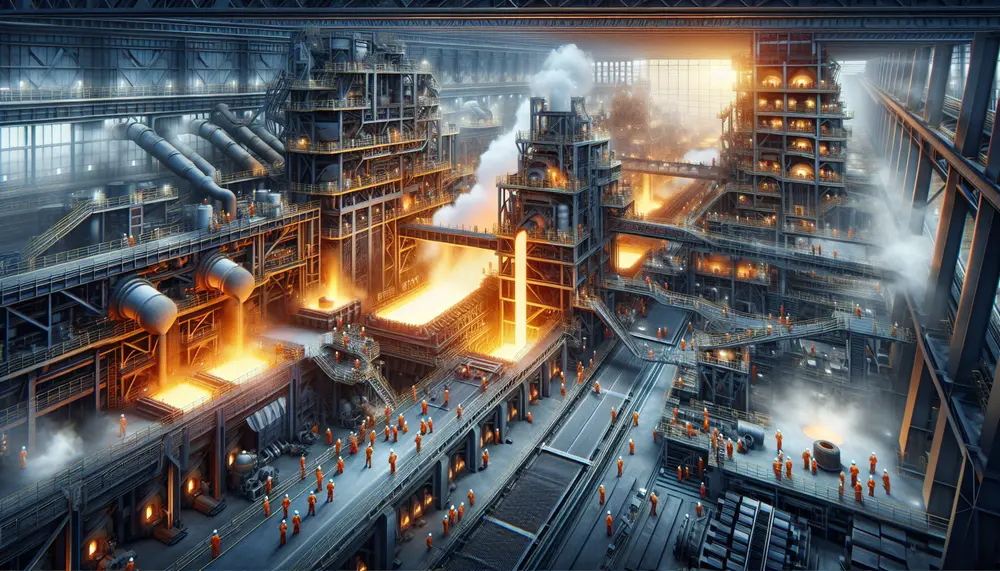
The steel making LF process, involving a ladle furnace to refine molten steel, is essential for ensuring high-quality and specialized steel grades by controlling temperature and composition. Introduced in the 1960s, advancements in ladle furnaces have optimized this process, enhancing...
 AI-generated
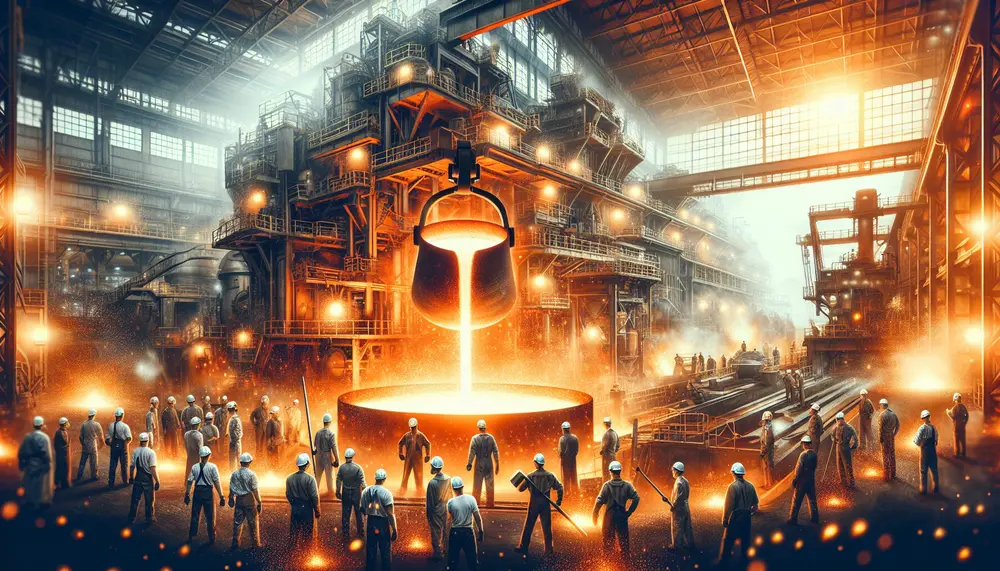
Steelmaking is a complex process involving several critical steps, from extracting iron to refining and shaping it into high-quality steel. Key stages include ironmaking, primary and secondary steelmaking, casting, forming, finishing, selecting appropriate materials like iron ore and coke, and...
 AI-generated
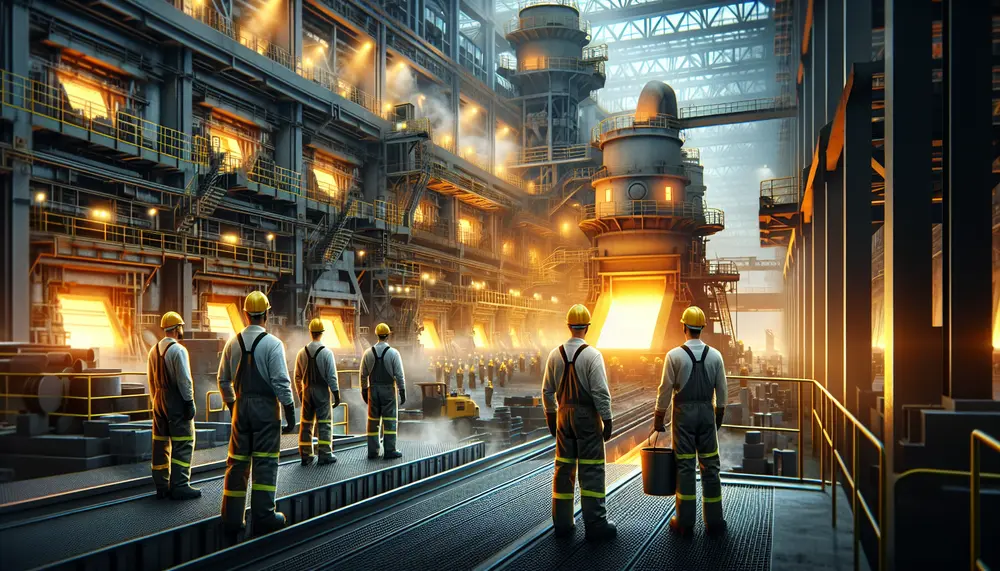
The article explores the evolution of steel production in Europe, highlighting key innovations such as the blast furnace and Bessemer process, major production hubs like Germany and Italy, and the role of EUROFER in advocating for industry interests. It provides...
 AI-generated
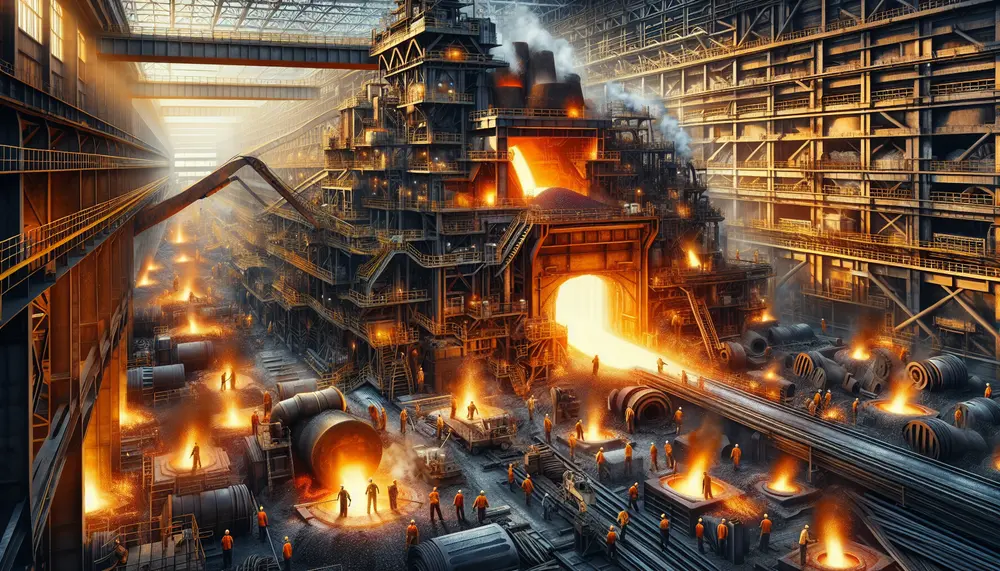
Steel is indispensable in modern society due to its versatility and strength, playing crucial roles in construction, transportation, energy sectors, and everyday life. The steel-making process involves several complex steps from raw material preparation to rolling and finishing, while traditional...
 AI-generated
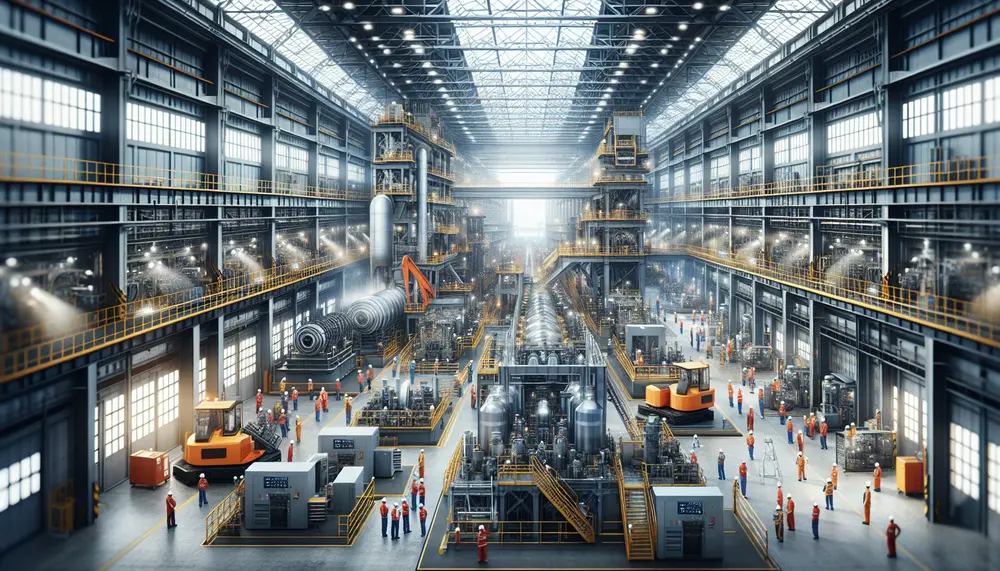
Choosing the right steel making equipment manufacturer is crucial for ensuring efficiency, reliability, and safety in production processes. Key considerations include assessing experience and reputation, evaluating product range and quality, prioritizing technology and innovation, understanding customization capabilities, emphasizing customer support...
 AI-generated
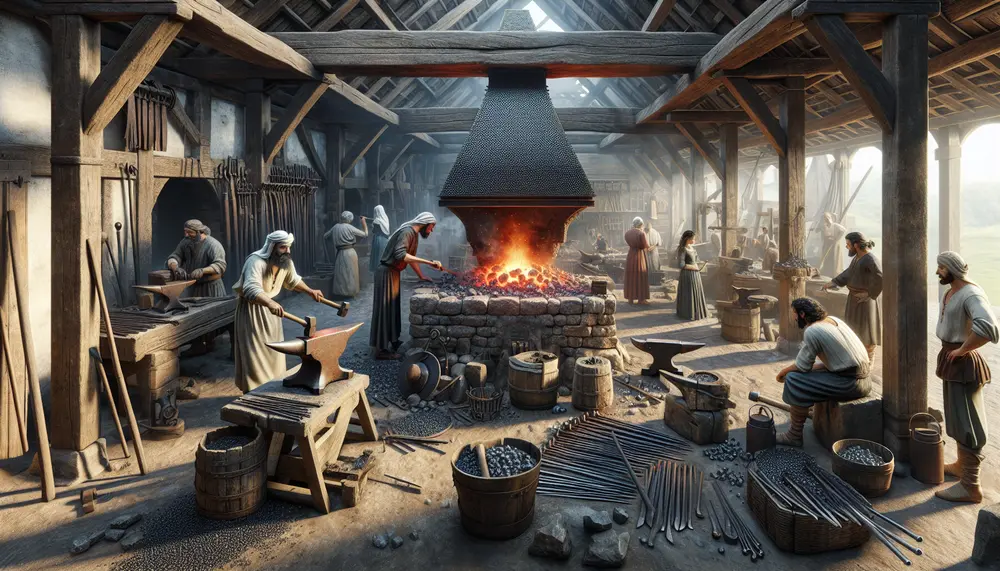
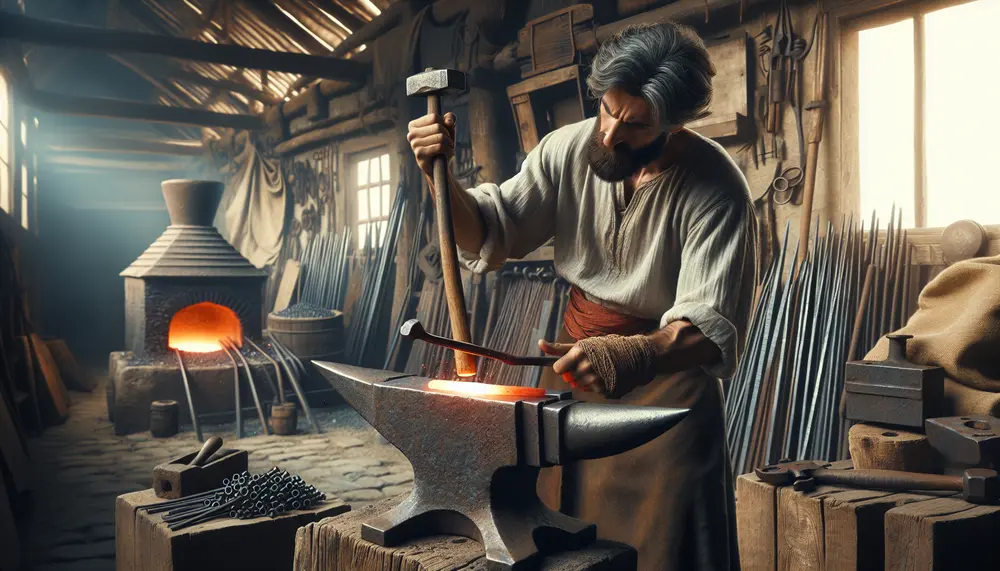
The article "Introduction to Ancient Steel Making" explores the historical context, key techniques, and materials used in ancient steel production across various civilizations. It highlights how early methods influenced modern steel making and underscores the ingenuity of our ancestors in...
 AI-generated
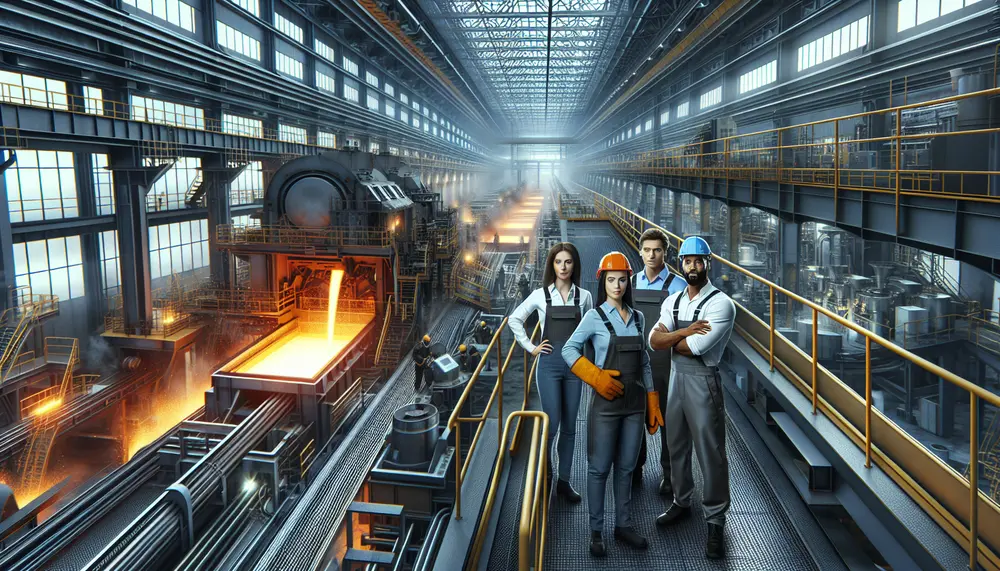
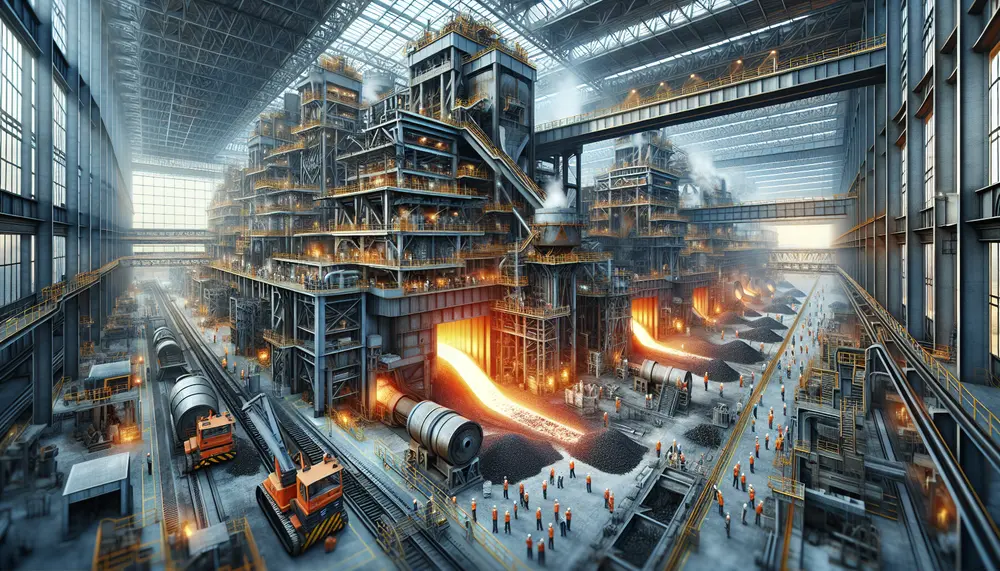
Steel making techniques have evolved to become more efficient and environmentally friendly, with traditional methods like the Basic Oxygen Furnace (BOF) and Electric Arc Furnace (EAF) being complemented by innovative technologies such as the Hydrogen Reduction Method. These advancements aim...
 AI-generated
Steel making refractory materials are essential for lining furnaces and equipment in steel production, with various types like fireclay, high alumina, silica, magnesite, and chromite refractories tailored to specific conditions. These materials ensure heat containment, protect equipment from damage, maintain...
 AI-generated
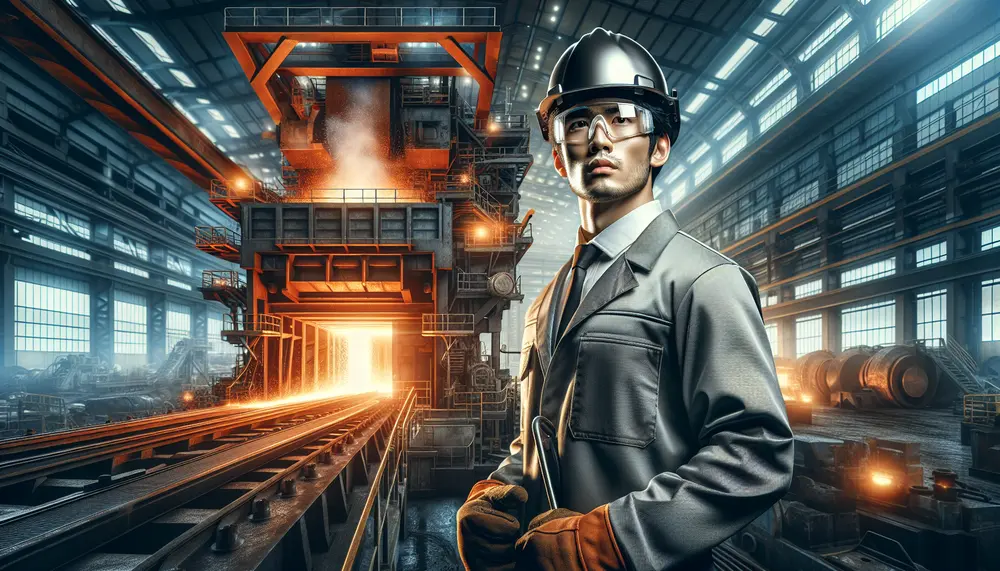
Becoming a steel making operator involves overseeing the production of steel, ensuring quality and safety standards, and requires technical skills, attention to detail, problem-solving abilities, physical stamina, communication skills, and safety awareness. Educational requirements typically include a high school diploma...
 AI-generated
Japanese steelmaking blends ancient traditions with modern innovations, producing some of the world's finest steel. This article explores its rich history from early Tatara furnaces to advanced techniques today, highlighting the craftsmanship and enduring legacy of Japanese steel production....
 AI-generated
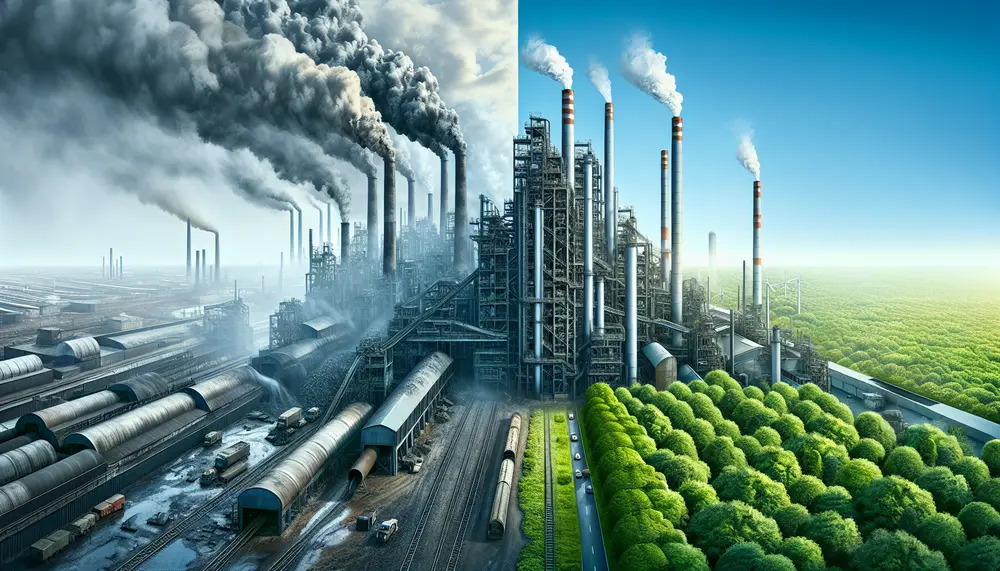
Green steelmaking aims to produce steel with minimal environmental impact by using innovative technologies and renewable energy sources, significantly reducing carbon emissions. Traditional methods rely heavily on fossil fuels and generate substantial CO2, whereas green alternatives like hydrogen-based reduction, electric...
 AI-generated
Kish, a carbonaceous byproduct primarily consisting of graphite and impurities like iron and slag, forms during the steelmaking process when molten iron cools. Effective removal of kish is crucial for producing high-quality steel with better mechanical properties, surface finish, product...
 AI-generated
The Argon Oxygen Decarburization (AOD) process is essential in producing high-quality stainless steel by refining molten steel to reduce carbon content while preserving valuable alloying elements like chromium. This method, involving precise control of gas mixtures and temperatures during decarburization,...
 AI-generated
The Basic Oxygen Furnace (BOF) process, developed in the mid-20th century by Robert Durrer, revolutionized steel production by using pure oxygen to convert molten iron into high-quality steel efficiently. This method involves charging a furnace with molten iron and scrap...
 AI-generated
Steelmaking and casting are interdependent processes essential for producing high-quality steel products. Steel is made using Basic Oxygen Steelmaking (BOS) or Electric Arc Furnace (EAF), then shaped through casting, which involves pouring molten steel into molds to create specific forms;...
 AI-generated
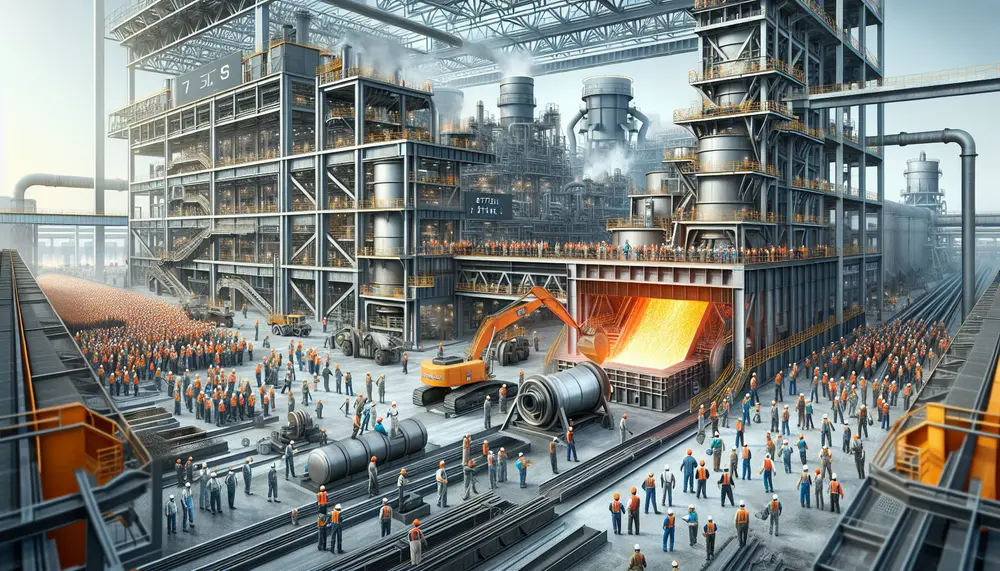
The article explains the steel production process using a detailed steelmaking diagram, which visually breaks down each step from raw material preparation to finishing processes. It covers two main methods of steelmaking—Basic Oxygen Steelmaking (BOS) and Electric Arc Furnace (EAF)—and...
 AI-generated
Graphite electrodes are essential in steel production, particularly for electric arc furnaces (EAF), where they conduct electricity to melt scrap metal at temperatures up to 3,000°C. Their effectiveness depends on properties like electrical conductivity and thermal shock resistance, influencing the...
 AI-generated
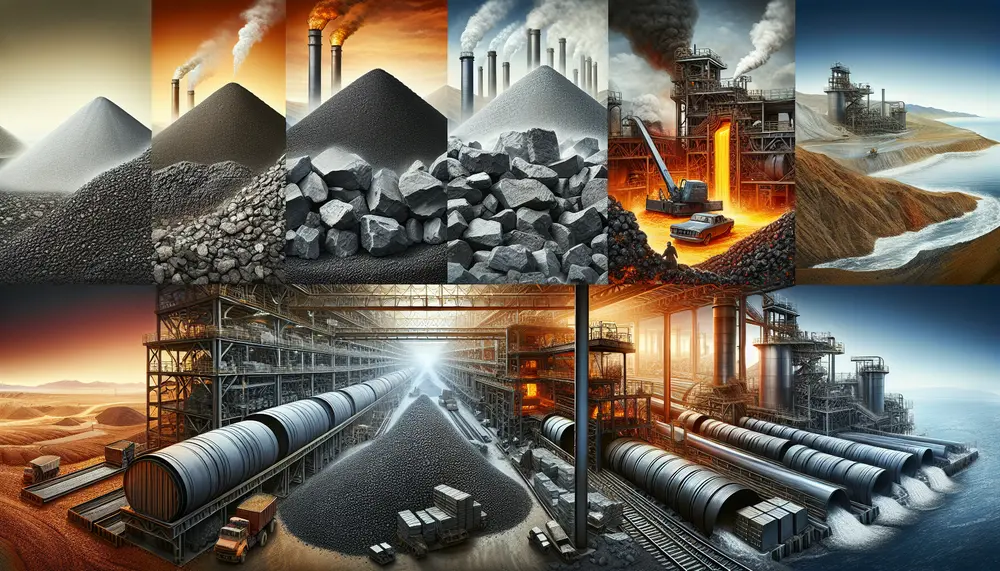
The article explains the essential materials and processes involved in steel production, highlighting iron ore, carbon (coke), limestone, manganese, aluminum, and zinc as key components. It details how these elements are processed through smelting and alloying to enhance properties like...
 AI-generated
The article discusses the importance of understanding and optimizing key metrics in steelmaking yield, such as Gross Yield, Net Yield, and Yield Loss, to improve efficiency and sustainability. It also highlights factors influencing yield like raw material quality and technological...
 AI-generated
Vacuum degassing is a critical process in steel production that enhances the quality of steel by removing dissolved gases like hydrogen, oxygen, and nitrogen under vacuum conditions to prevent issues such as porosity and embrittlement. This method not only improves...
 AI-generated
Stainless steel making is a complex process that begins with melting iron ore and other elements like chromium and nickel to create a durable, corrosion-resistant material. This involves several stages including refining, casting, and rolling, controlled by precise temperature and...
 AI-generated
The article traces the evolution of steelmaking from ancient techniques to significant medieval innovations, highlighting early methods like iron carburization and bloomery processes that evolved into more efficient practices with the introduction of blast furnaces. It also covers Renaissance advancements...
 AI-generated
The Open Hearth Process is a traditional steelmaking method that involves converting iron into steel using an open hearth furnace, which allows air to flow over the mixture and facilitates chemical reactions necessary for purification. This process utilizes regenerative heating...
 AI-generated
The steelmaking tundish is a critical intermediary in the continuous casting process, serving as both a reservoir and buffer for molten steel while facilitating controlled flow and cleanliness to enhance final product quality. Its design has evolved since the 1950s,...
 AI-generated
The steelmaking industry is evolving with trends like sustainability, digital integration, and market adaptation, driven by cleaner technologies, AI and big data usage, and product diversification. Innovations such as Advanced High-Strength Steels (AHSS), electrolysis-based production processes reducing emissions, and 3D...
 AI-generated
Steelmaking waste, primarily consisting of slag, dust, and sludges from iron and steel production processes, poses significant environmental risks such as groundwater contamination and ecosystem degradation if not managed properly. However, innovative recycling techniques like using slag in concrete or...
 AI-generated
Steelmaking transforms iron into steel by increasing carbon content and refining the material through methods like blast furnaces and adding additives. Modern techniques include Basic Oxygen Steelmaking (BOS) and Electric Arc Furnace (EAF), focusing on sustainability, with raw materials such...
 AI-generated
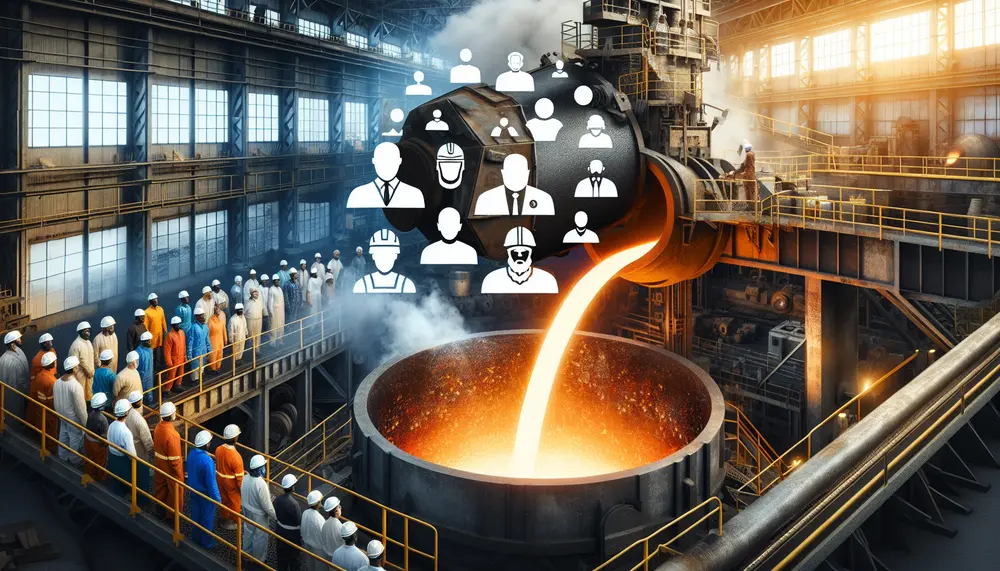
The concept of steelmaking grade is crucial in determining the quality and properties of steel, influencing efficiency, durability, and safety across various industries. Steel grades are classified based on chemical composition and production processes, with advancements in technology and global...
 AI-generated
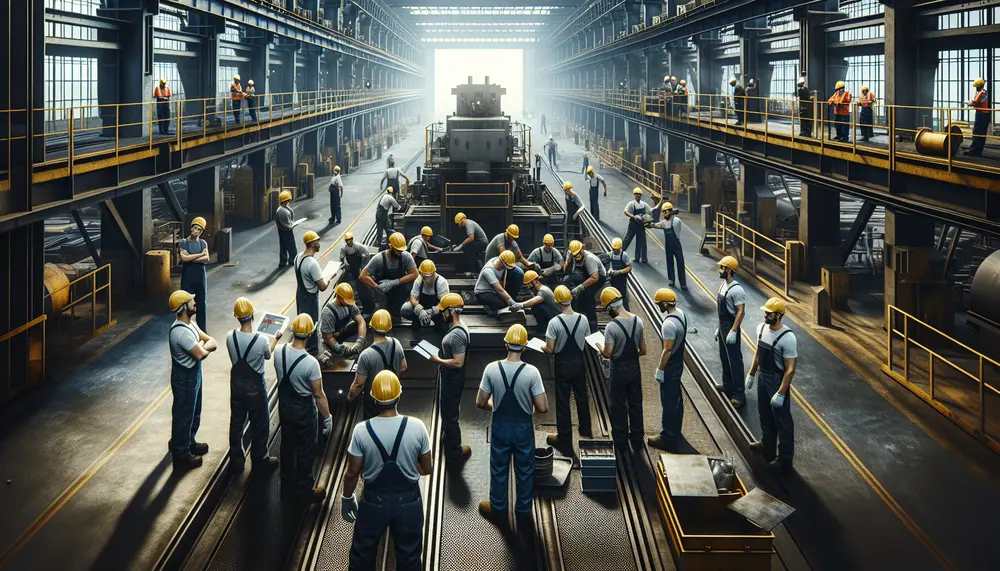
The article emphasizes the critical importance of maintaining safe working conditions in the steelmaking industry, highlighting how safety measures not only protect workers from various health risks like respiratory issues and hearing loss but also enhance overall productivity and company...


