
Posts on the Topic Blast
 AI-generated
Production Processes verstehen und nutzen. Umfassender Guide mit Experten-Tipps und Praxis-Wissen....
 AI-generated
Steelmaking nouns are essential for clear communication and safety in the steel industry, with evolving terminology requiring an up-to-date glossary. This article explains key terms like alloy, arc furnace, austenite, blast furnace, billet, basic oxygen process, carbon content, converter, casting,...
 AI-generated
Steel manufacturing is vital for modern industry, with blast furnaces and electric arc furnaces as core methods; innovation drives efficiency, sustainability, and tailored properties....
 AI-generated
Process gases like blast furnace gas, coke gas, and converter gas play a crucial role in steel manufacturing by enhancing energy efficiency, reducing costs, and supporting sustainability. These gases are repurposed for power generation, industrial processes, and emission reduction efforts...
 AI-generated
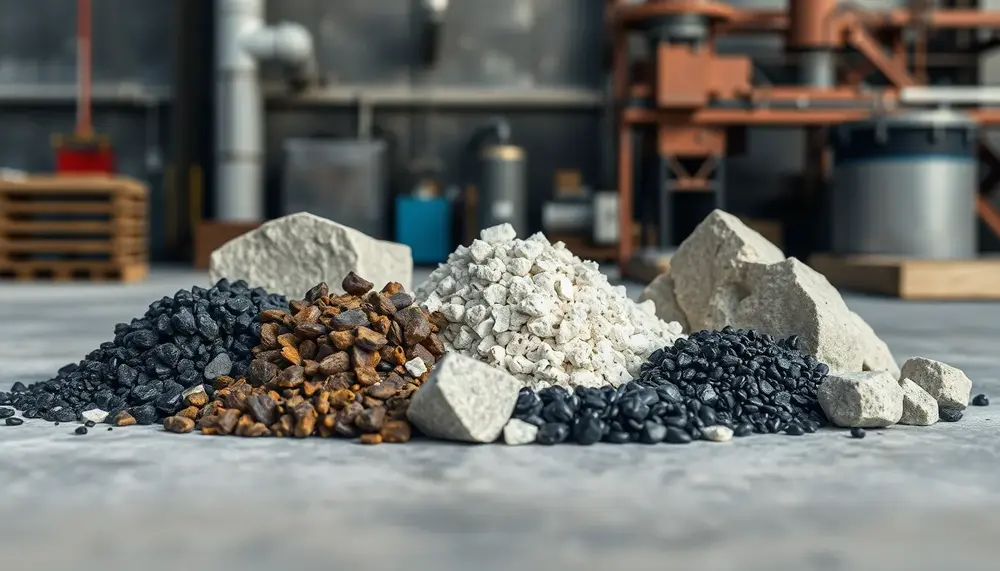
Steelmaking involves transforming iron ore, along with materials like limestone and coke, into steel through complex processes in blast furnaces; the quality of these raw materials is crucial for producing strong and durable steel. Different types of iron ores such...
 AI-generated
The article discusses various steelmaking furnace types, highlighting their unique characteristics and applications in the industry, emphasizing factors like efficiency, environmental impact, and suitability for different production needs....
 AI-generated
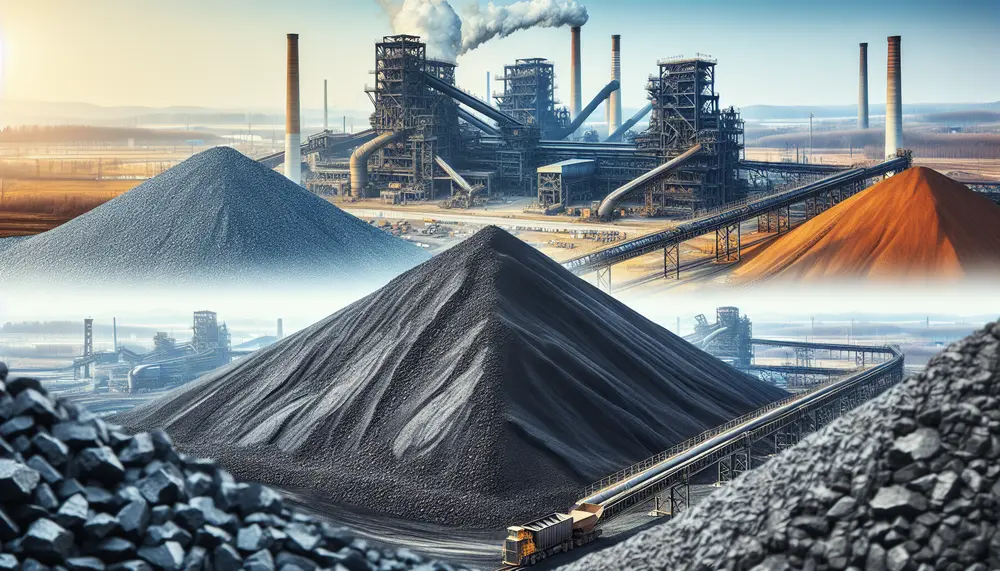
The article explains the differences between steelmaking coal and thermal coal, highlighting their distinct uses in industry—steel production for steelmaking coal and electricity generation for thermal coal. It also discusses the importance of understanding these distinctions for businesses involved in...
 AI-generated
Steelmaking coal, also known as metallurgical or coking coal, is essential for producing coke used in blast furnaces to convert iron ore into steel. The article explores the types of steelmaking coal, its role in steel production, global demand dynamics,...
 AI-generated
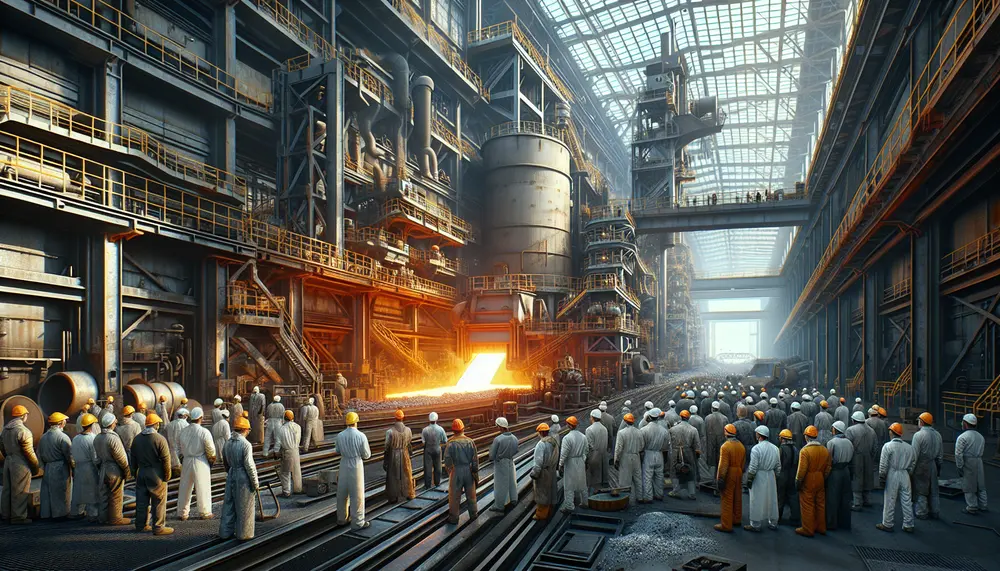
The article provides an in-depth look at the steelmaking process, covering its history from ancient methods to modern techniques like the Bessemer and Siemens-Martin processes. It details key stages such as raw material preparation, primary and secondary steelmaking, casting, shaping,...
 AI-generated
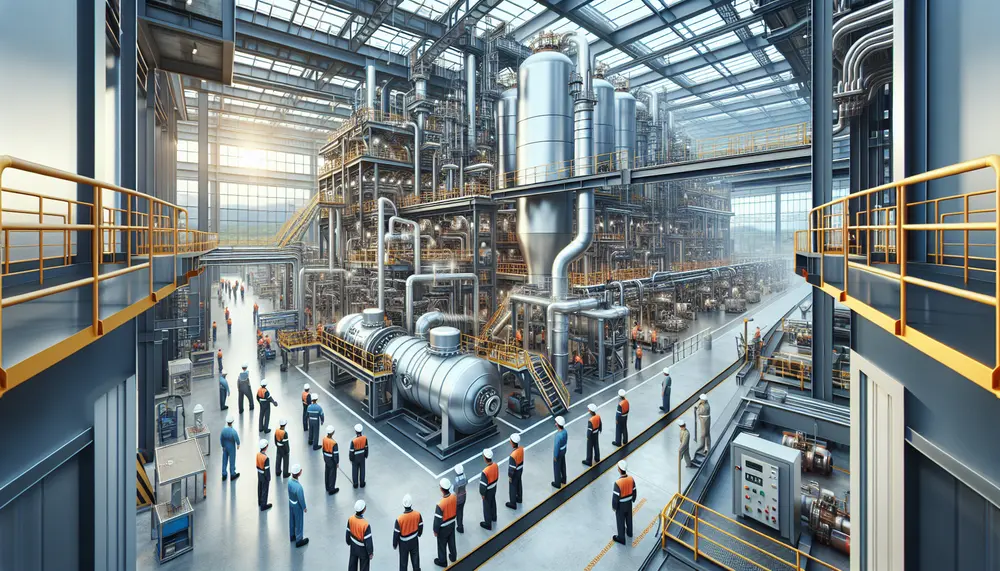
Hydrogen steelmaking offers a sustainable alternative to traditional methods by using hydrogen as a reducing agent, significantly cutting carbon emissions and enhancing product quality. This method not only reduces the environmental impact but also supports integration with renewable energy sources,...
 AI-generated
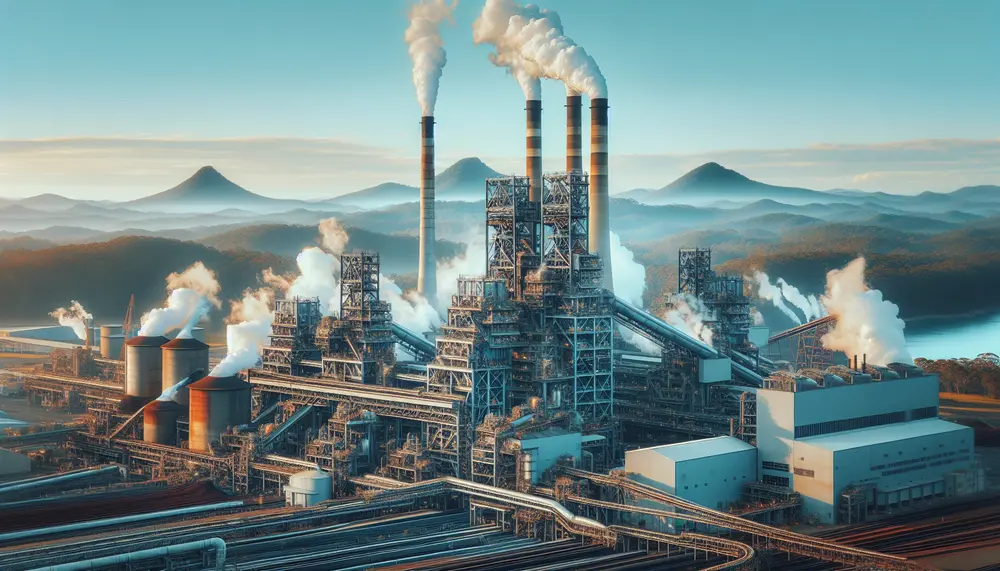
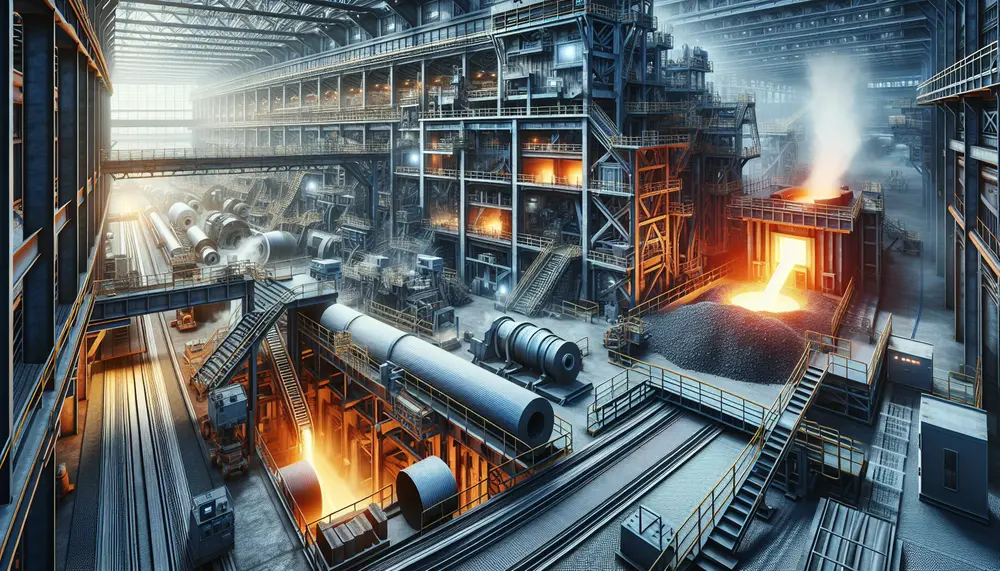
Steel making in Australia is crucial for the nation's infrastructure and economy, involving a two-stage process from iron ore to steel production using electric arc and basic oxygen furnaces. The industry has evolved over a century with technological advancements and...
 AI-generated
JSW Steel employs advanced technology and sustainable practices in its steel manufacturing process, starting with the selection of raw materials like iron ore and coal. The company focuses on producing high-quality steel through a series of steps including melting, refining,...
 AI-generated
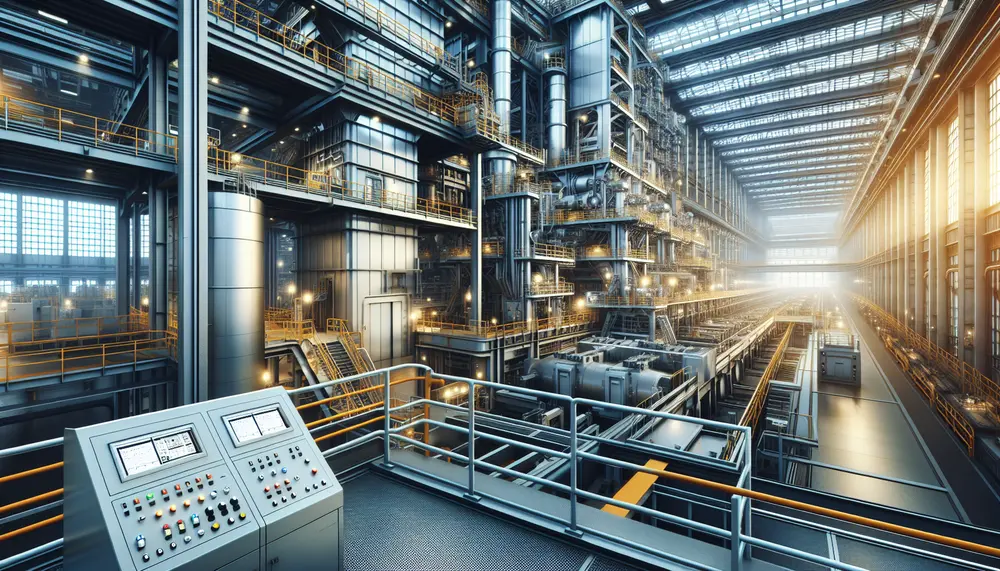
Steelmaking equipment is essential for transforming iron ore into steel, involving complex machines like furnaces and continuous casting machines that handle everything from melting to shaping. Technological advancements in this equipment have greatly improved efficiency, quality control, and environmental sustainability...
 AI-generated
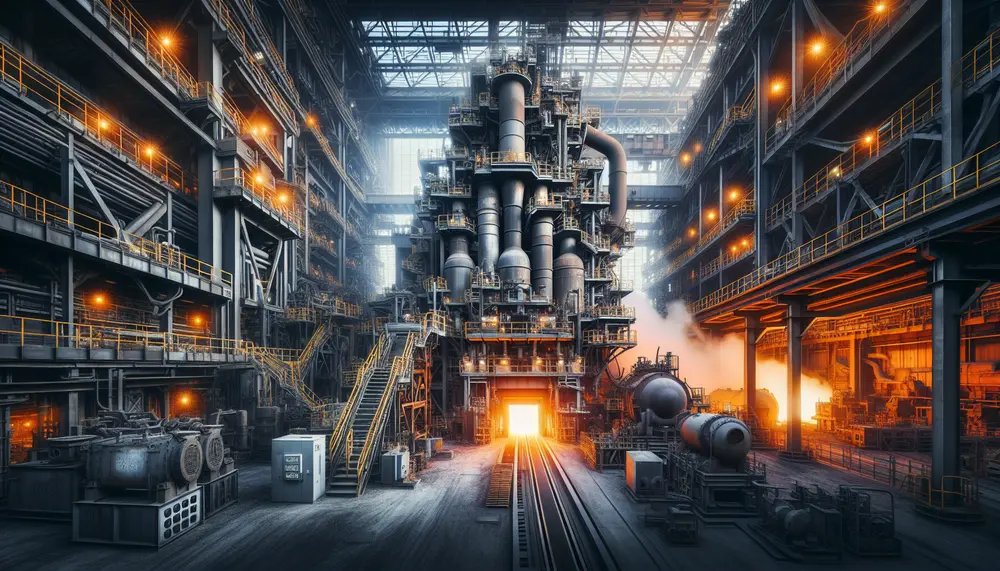
The article provides an overview of the two main steelmaking routes: blast furnace (BF) and electric arc furnace (EAF), detailing their processes, economic considerations, environmental impacts, and technological advancements. It compares BF's large-scale production with high carbon emissions to EAF's...
 AI-generated
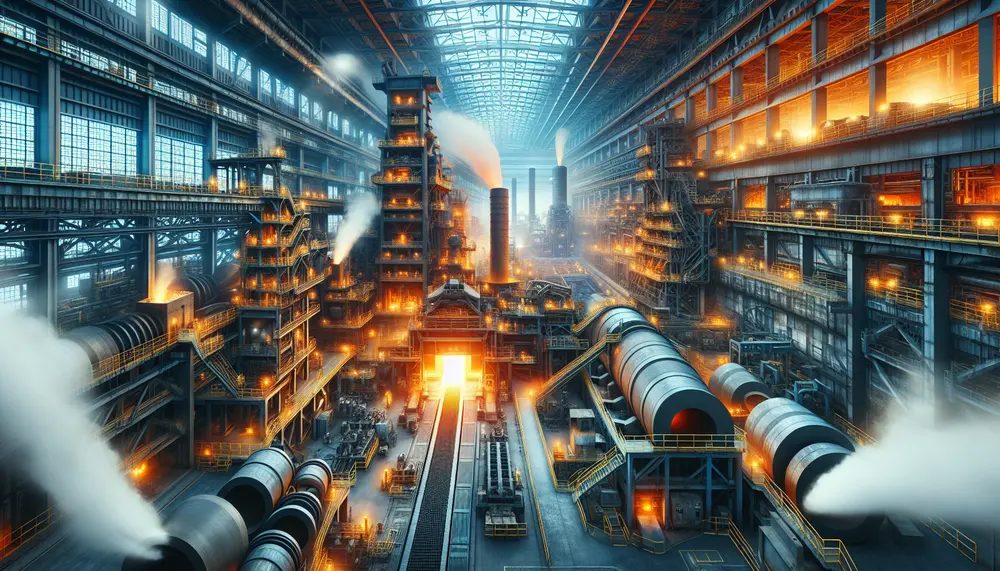
The steel making process at SAIL involves meticulous selection of raw materials and advanced technology in blast furnaces to produce molten iron, which is then refined using BOF or EAF methods. Rigorous quality control ensures the final product meets international...
 AI-generated
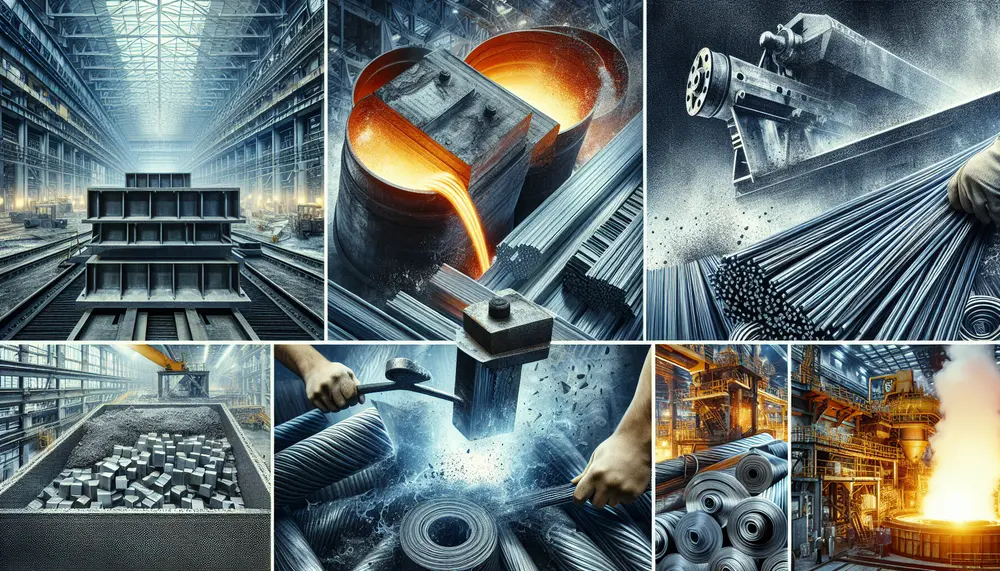
This beginner's guide to steelmaking explains the basic processes and terminology involved in transforming iron ore into versatile steel, highlighting key terms like blast furnace, continuous casting, and electric arc furnace. It details the journey from raw material to finished...
 AI-generated
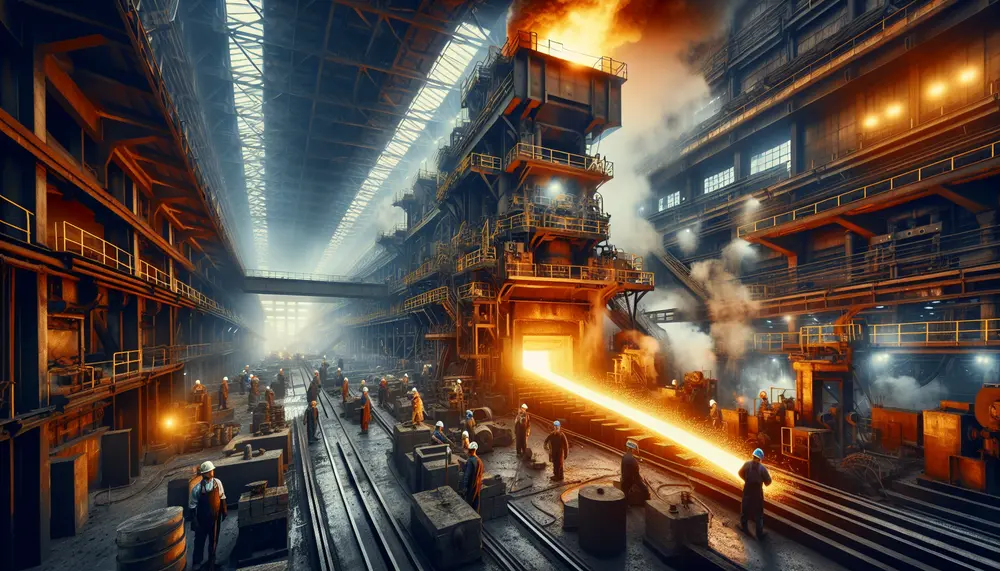
The steel making process is a complex series of steps transforming iron ore and coal into steel, involving stages like melting, refining, and casting. NPTEL provides comprehensive online education on this process through structured courses that offer both theoretical knowledge...
 AI-generated
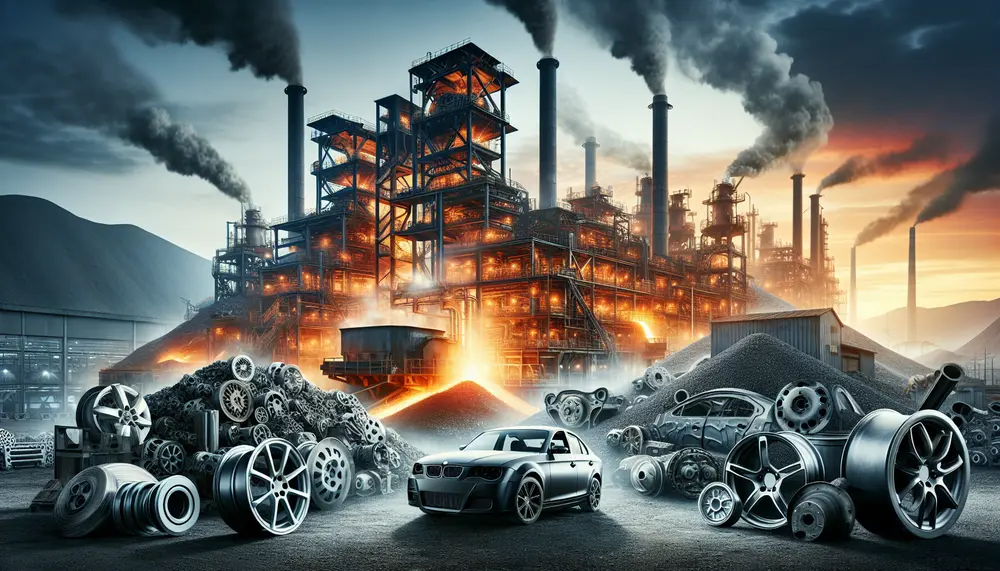
Steel production for vehicles involves transforming iron ore into various steel grades with specific properties, balancing strength and formability. Innovations in manufacturing techniques ensure high-quality steel that meets automotive industry standards. The journey of steel from raw material to vehicle component...
 AI-generated
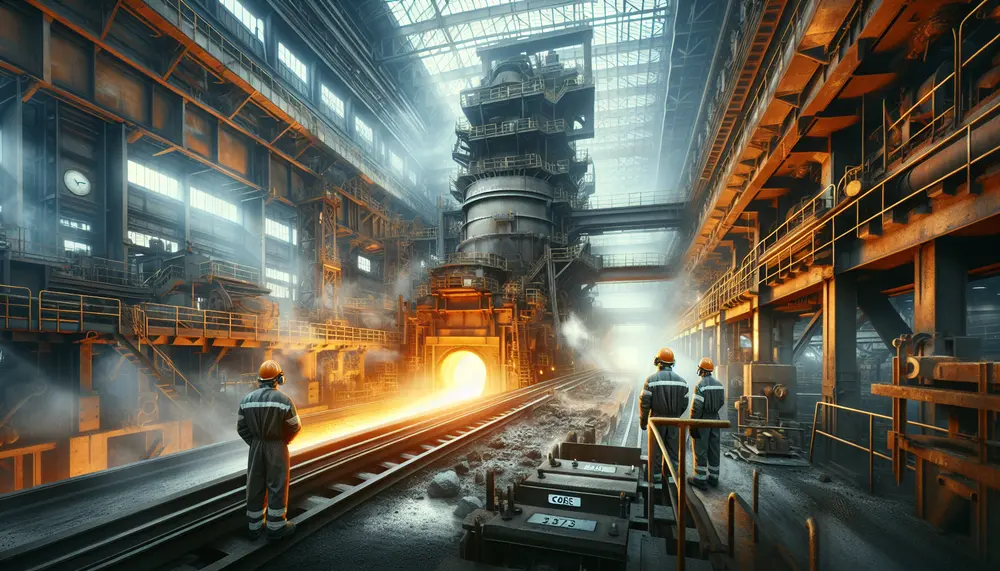
Coke is crucial in steel production, providing heat and chemical reactions for smelting iron ore while also structuring the blast furnace. However, its use emits pollutants and CO2, contributing to environmental concerns....
 AI-generated
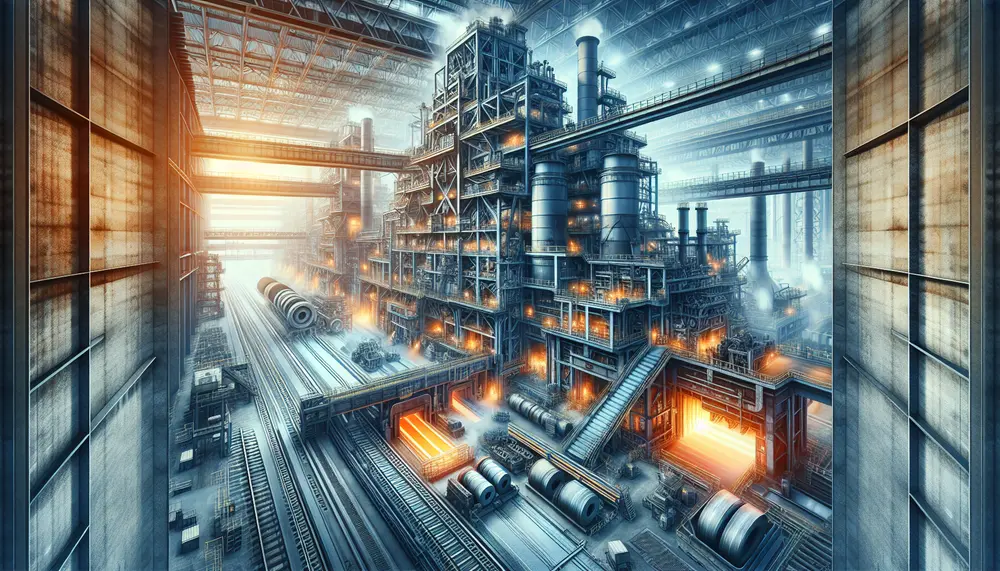
The article provides an overview of the steel making process, detailing how raw materials like iron ore, coke, and limestone are transformed into versatile and durable steel through a complex series of steps depicted in a flow diagram. It discusses...
 AI-generated
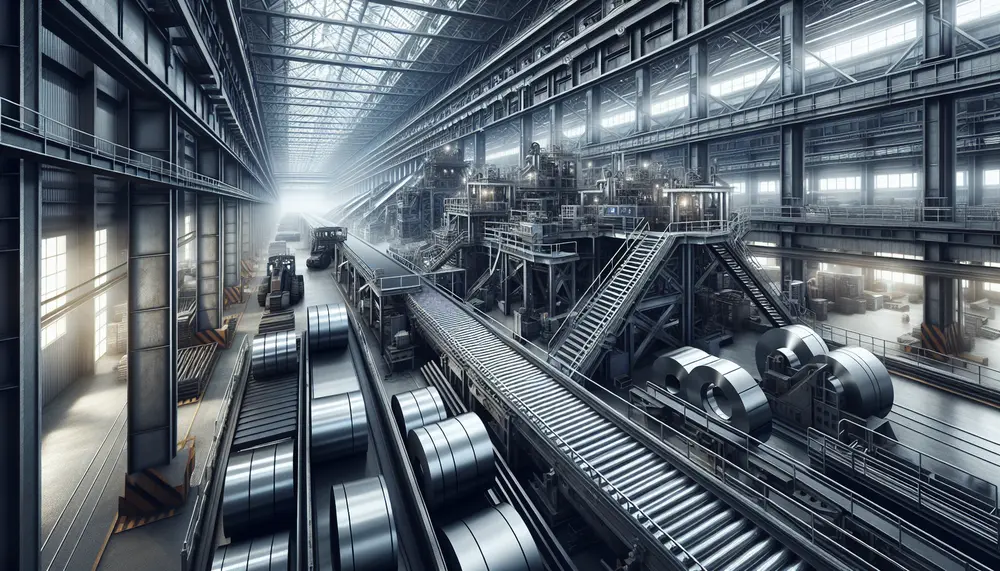
Steel production transforms raw materials like iron ore, coal, and limestone into steel through high-temperature processes in a factory. This complex journey from earth-bound elements to the final product is essential for construction and manufacturing industries, with each material playing...
 AI-generated
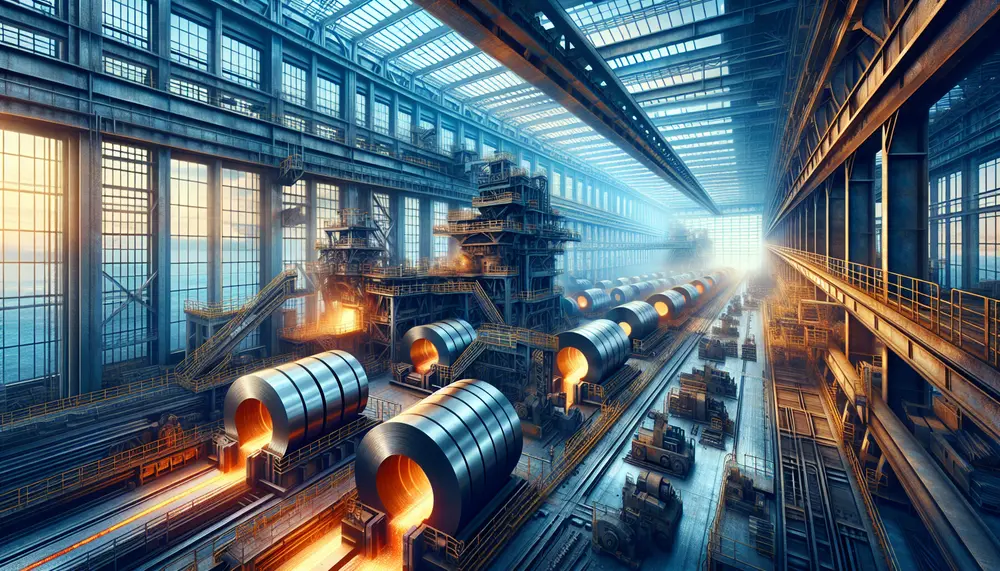
Steel products manufacturing transforms raw materials into essential items for modern life, involving a process from conceptualization to final product creation. The steel making process is an intricate journey that includes extraction of iron ore, refining in blast furnaces or...
 AI-generated
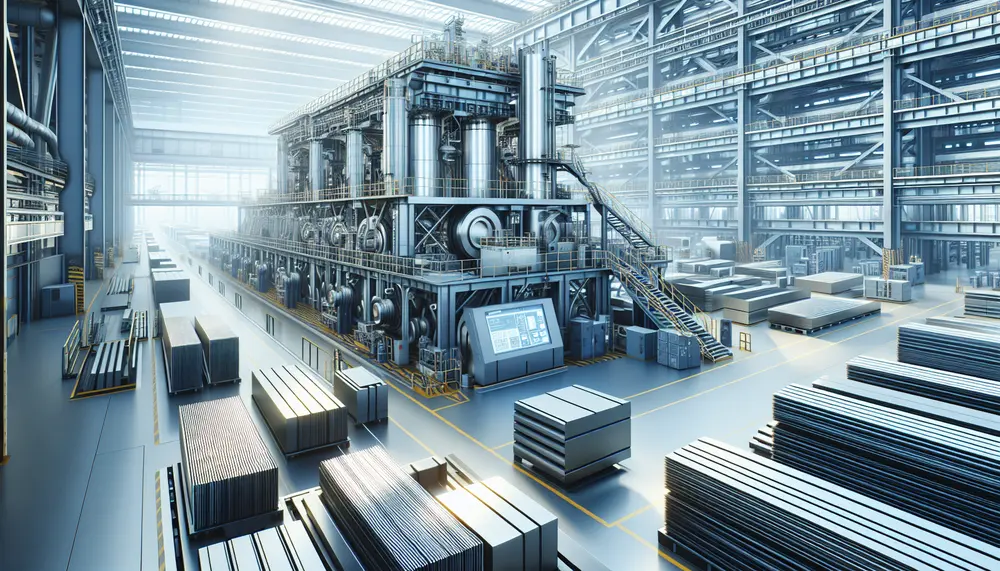
Steel production technology has evolved significantly, with the industry now using advanced methods like blast furnaces and electric arc furnaces to meet global demands. Technological improvements have enhanced quality, efficiency, and sustainability in steel making. The future of steel production focuses...
 AI-generated
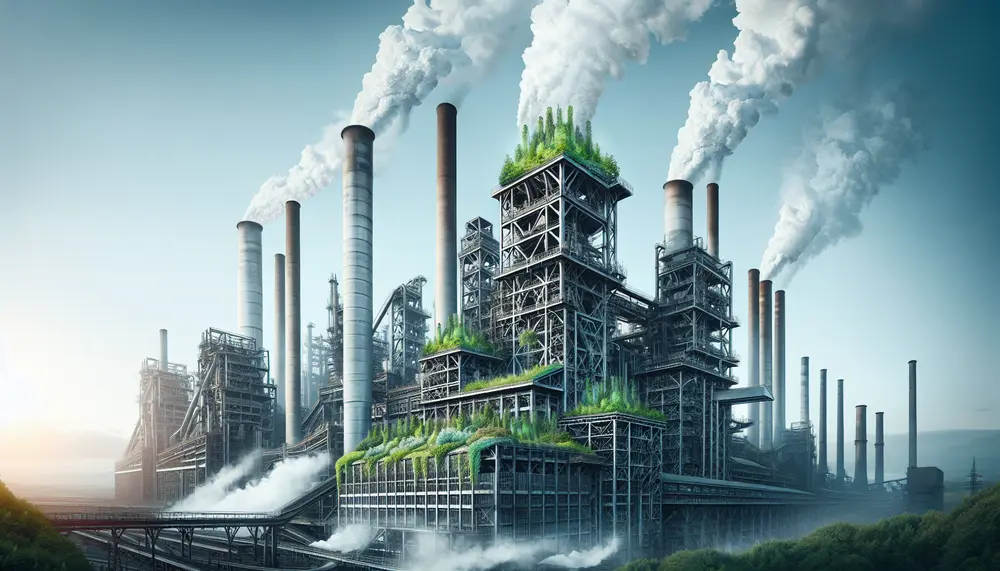
Steel production is essential to modern industry but generates significant emissions, with the traditional Blast Furnace-Basic Oxygen Furnace (BF-BOF) method being particularly carbon-intensive. Innovative strategies like smart manufacturing and alternative energy sources are being adopted to reduce these environmental impacts,...
 AI-generated
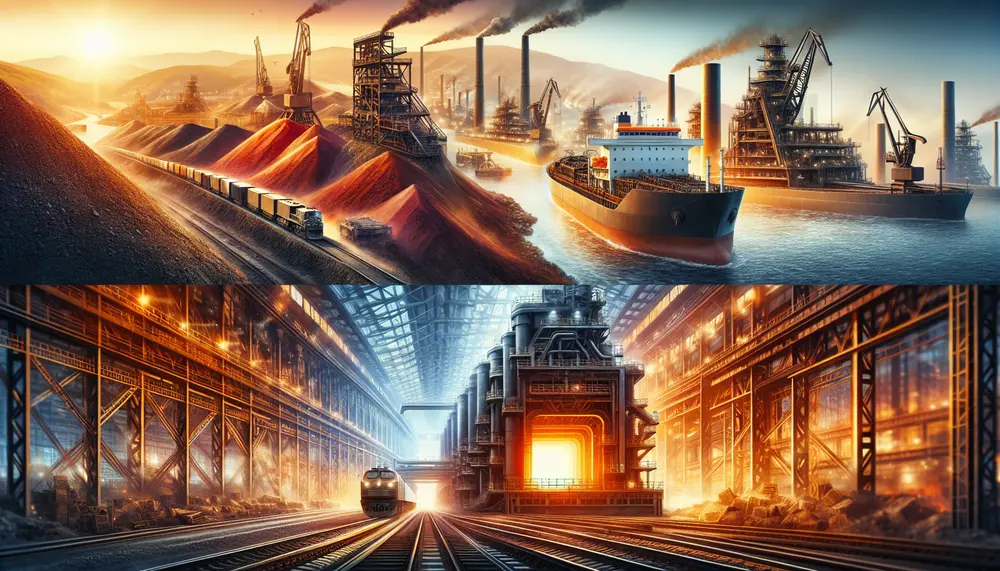
The steel making process transforms iron ore into a vital and robust material through complex technical procedures, reflecting human ingenuity and progress. This journey from extraction to the final product involves meticulous steps including smelting in blast furnaces, oxidation for...
 AI-generated
Steel production is a complex process that transforms iron ore into steel through methods like the Blast Furnace-Basic Oxygen Furnace (BF-BOF) and Electric Arc Furnace (EAF), with advancements in technology enhancing efficiency, quality, and sustainability. Global steel manufacturing has evolved...
 AI-generated
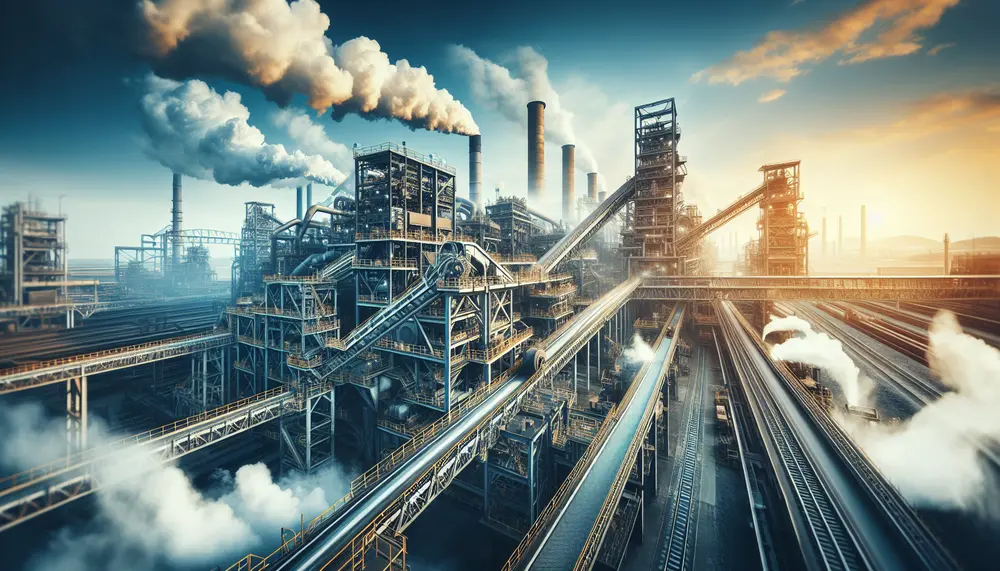
Steel production transforms iron ore into steel through a series of steps that refine the material and add elements like carbon. The process involves mining, beneficiation, sintering, pelletizing, blast furnace smelting with coke and limestone to produce pig iron, followed...


