
Posts on the Topic Quality
 AI-generated
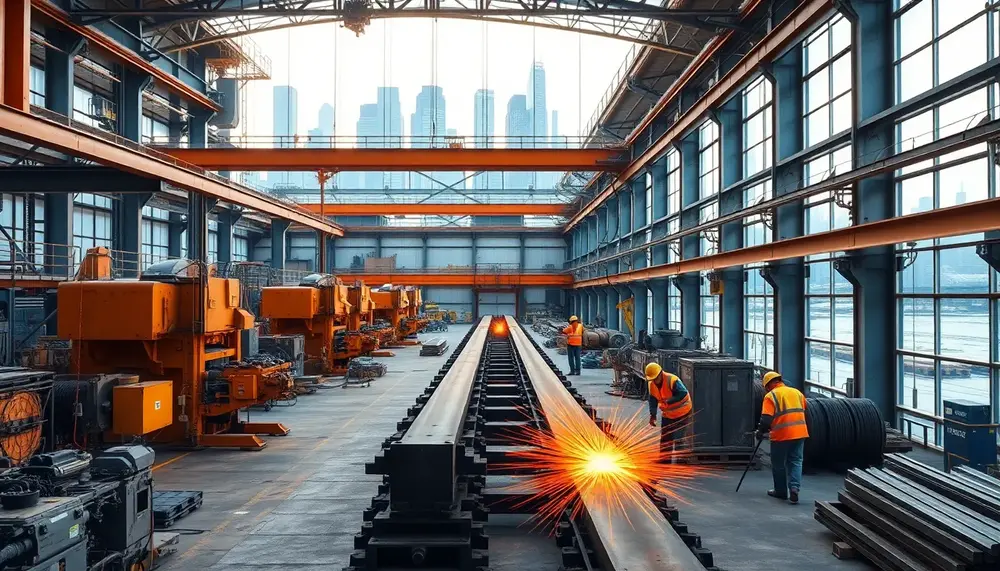
Production Processes verstehen und nutzen. Umfassender Guide mit Experten-Tipps und Praxis-Wissen....
 AI-generated
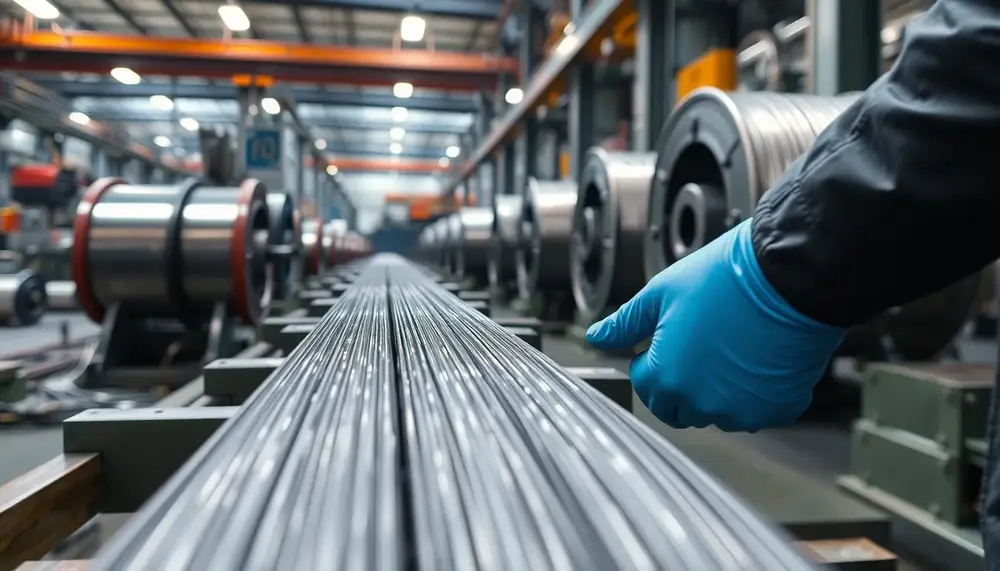
Steel wire manufacturing requires high-quality rods, advanced drawing machines, precise heat treatment, and meticulous preparation to ensure strong, defect-free wires....
 AI-generated
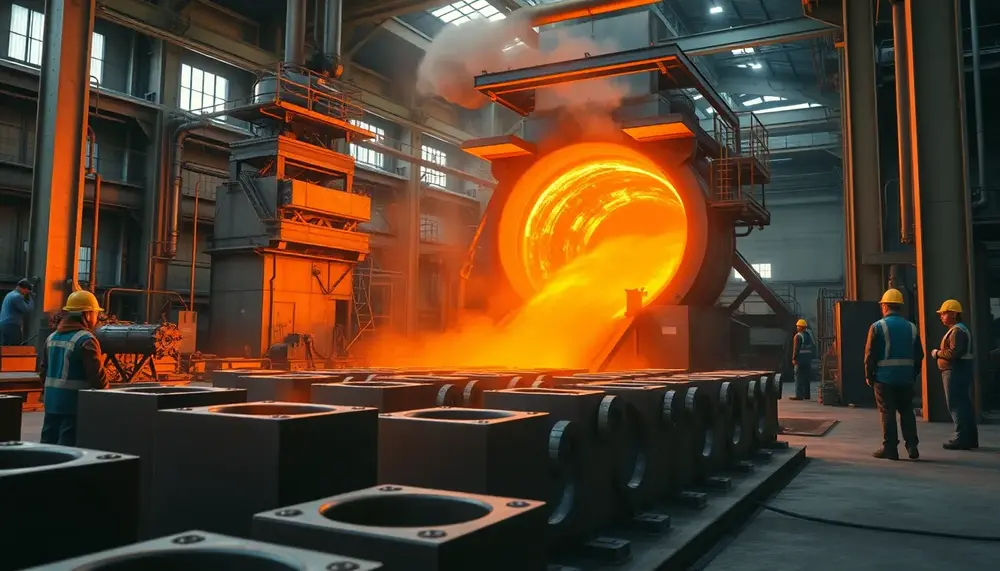
Steelmaking videos captivate audiences by offering rare, visually stunning insights into complex industrial processes, blending spectacle with clear educational value....
 AI-generated
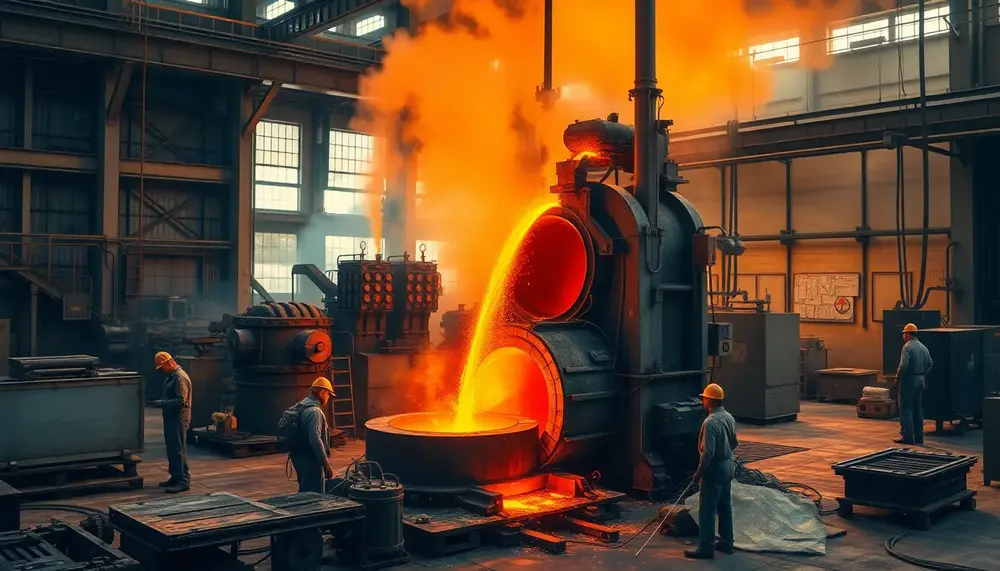
Steel refining transforms raw materials into high-quality steel by removing impurities and enhancing properties through advanced techniques like BOF, EAF, and DRI. Modern innovations ensure precision, efficiency, sustainability, and tailored applications across industries while addressing environmental challenges....
 AI-generated
Henry Bessemer revolutionized steel production in the 19th century with his innovative process, enabling mass production of stronger, affordable steel and fueling industrial growth. By efficiently removing impurities through oxygen blasts, his method drastically reduced costs and transformed steel into...
 AI-generated
The KOBM steelmaking process, known for its combined oxygen blowing technique, enhances efficiency and quality by offering precise control over chemical composition, flexibility in producing various steel grades, reduced environmental impact, and cost-effectiveness compared to traditional methods....
 AI-generated
The reduction ratio in steel making is crucial for optimizing efficiency, cost-effectiveness, and quality by determining the mechanical properties of steel through factors like temperature and impurities. Modern advancements have shifted from traditional ratios to more efficient ones, reflecting innovation...
 AI-generated
The VAD steelmaking process, or Vacuum Arc Degassing, is crucial for producing high-quality steel by removing impurities and gases like hydrogen and nitrogen through a vacuum environment, resulting in purer and more homogeneous steel with enhanced mechanical properties....
 AI-generated
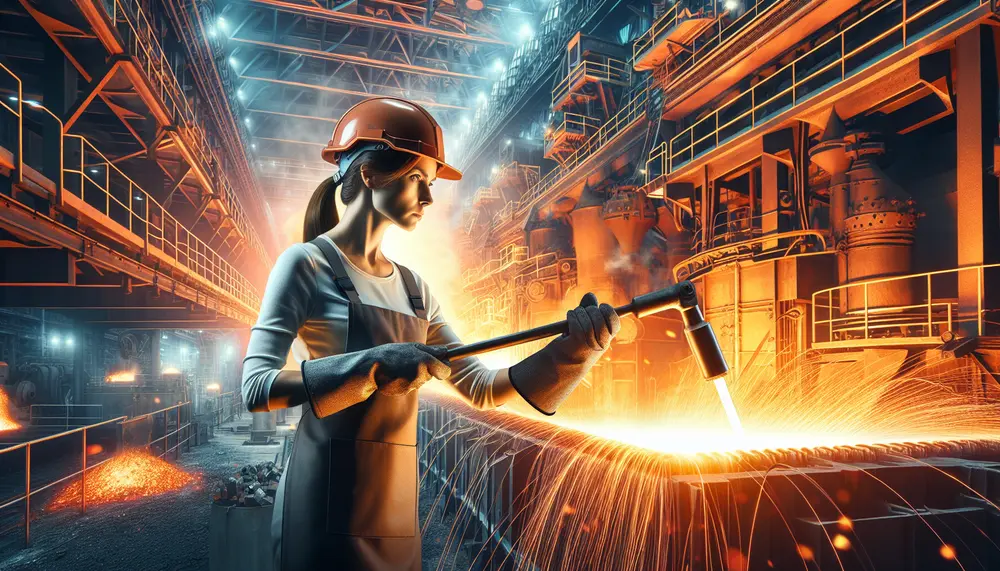
The steel making lance is a crucial tool in the steel production process, used to introduce gases like oxygen into molten metal for refining and impurity removal. Different types of lances serve specific purposes such as reducing carbon content or...
 AI-generated
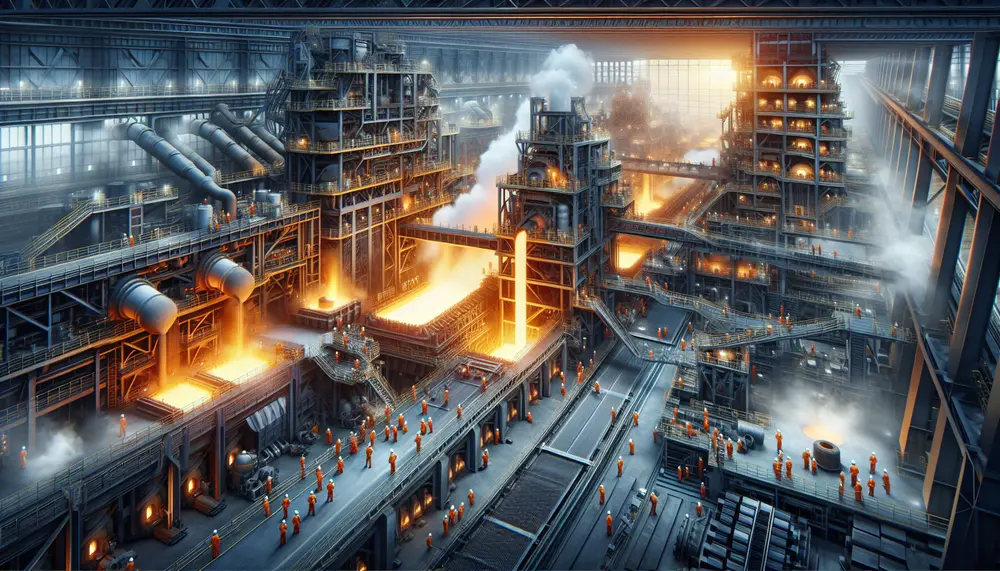
The steel making LF process, involving a ladle furnace to refine molten steel, is essential for ensuring high-quality and specialized steel grades by controlling temperature and composition. Introduced in the 1960s, advancements in ladle furnaces have optimized this process, enhancing...
 AI-generated
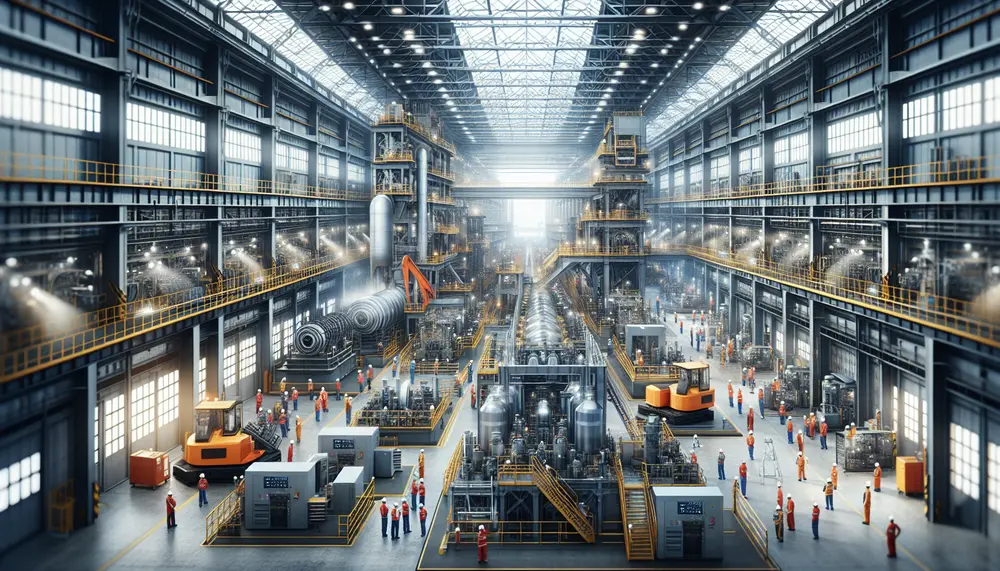
Choosing the right steel making equipment manufacturer is crucial for ensuring efficiency, reliability, and safety in production processes. Key considerations include assessing experience and reputation, evaluating product range and quality, prioritizing technology and innovation, understanding customization capabilities, emphasizing customer support...
 AI-generated
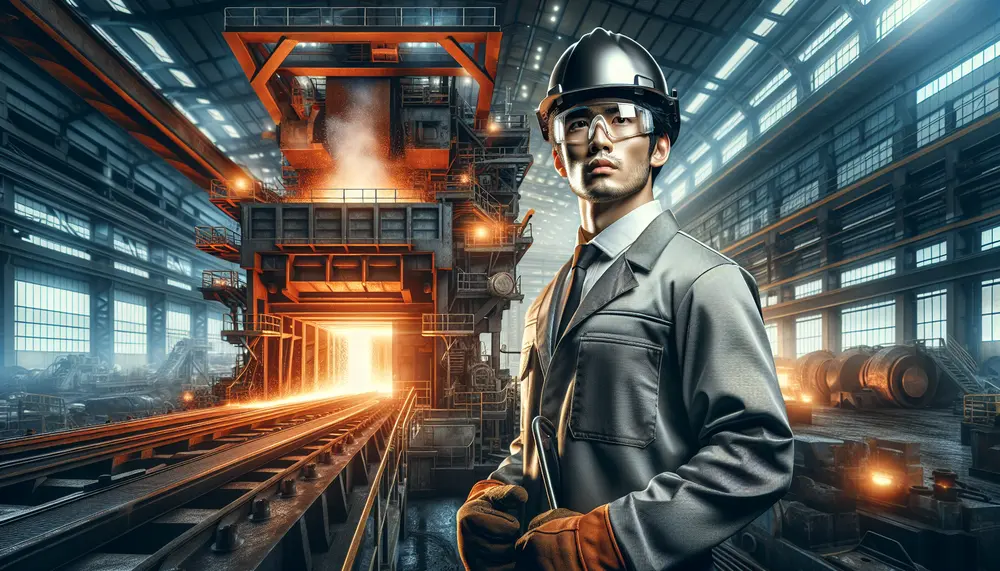
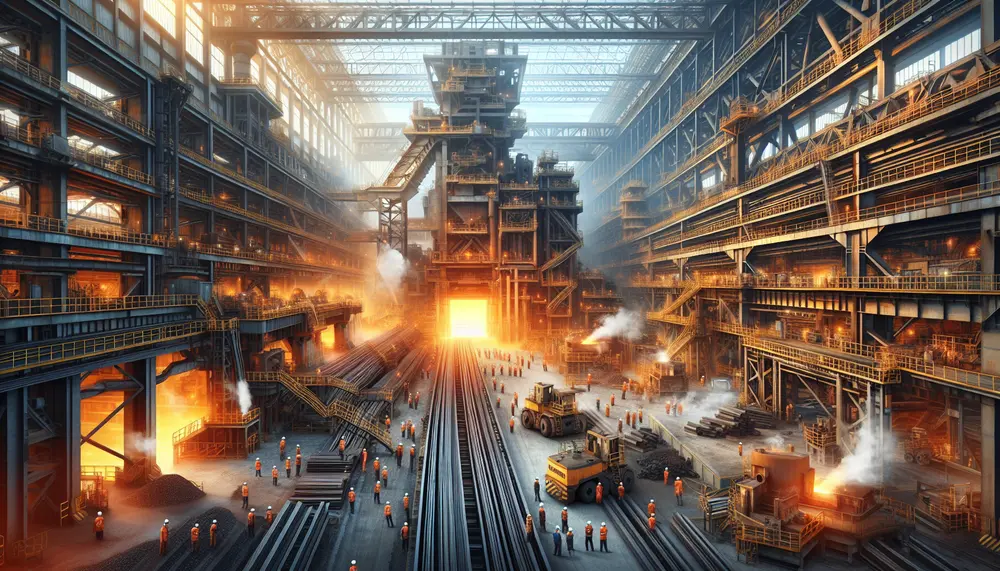
Becoming a steel making operator involves overseeing the production of steel, ensuring quality and safety standards, and requires technical skills, attention to detail, problem-solving abilities, physical stamina, communication skills, and safety awareness. Educational requirements typically include a high school diploma...
 AI-generated
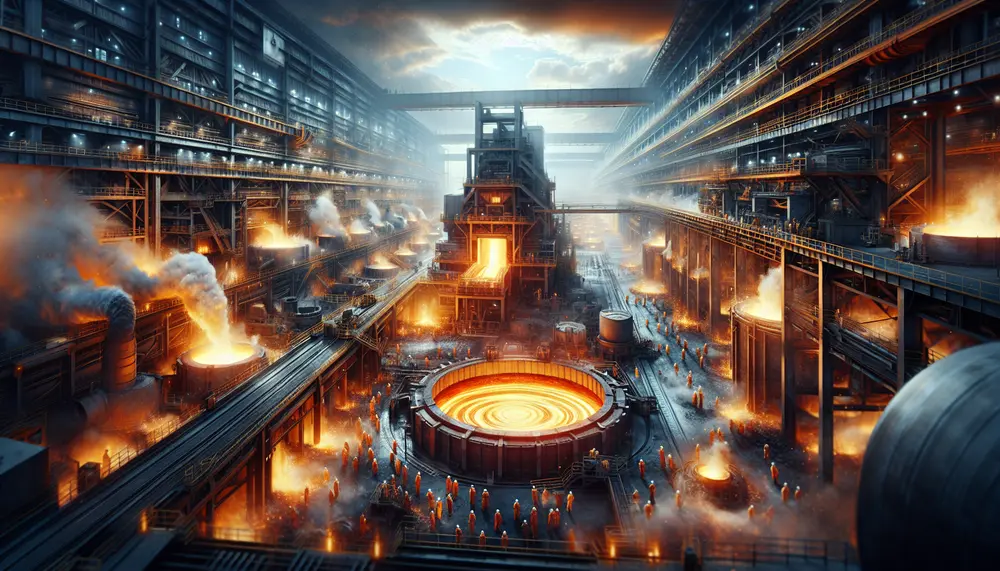
Partnering with the largest steelmaking company offers numerous advantages, including a reliable supply chain, quality assurance, cost efficiency, access to innovation and technology, sustainable practices, global reach, and exceptional customer support. These benefits can significantly enhance your business operations by...
 AI-generated
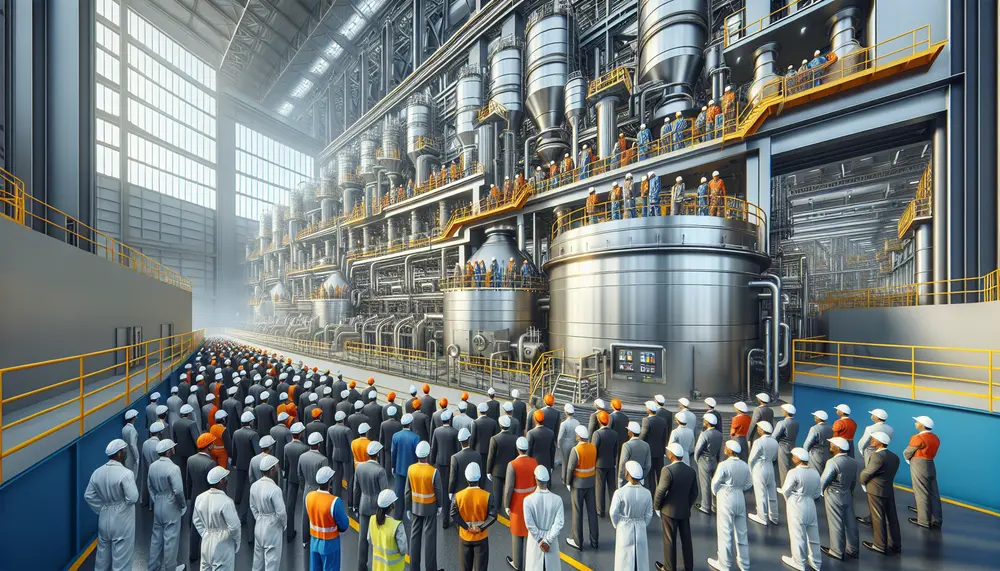
Kish, a carbonaceous byproduct primarily consisting of graphite and impurities like iron and slag, forms during the steelmaking process when molten iron cools. Effective removal of kish is crucial for producing high-quality steel with better mechanical properties, surface finish, product...
 AI-generated
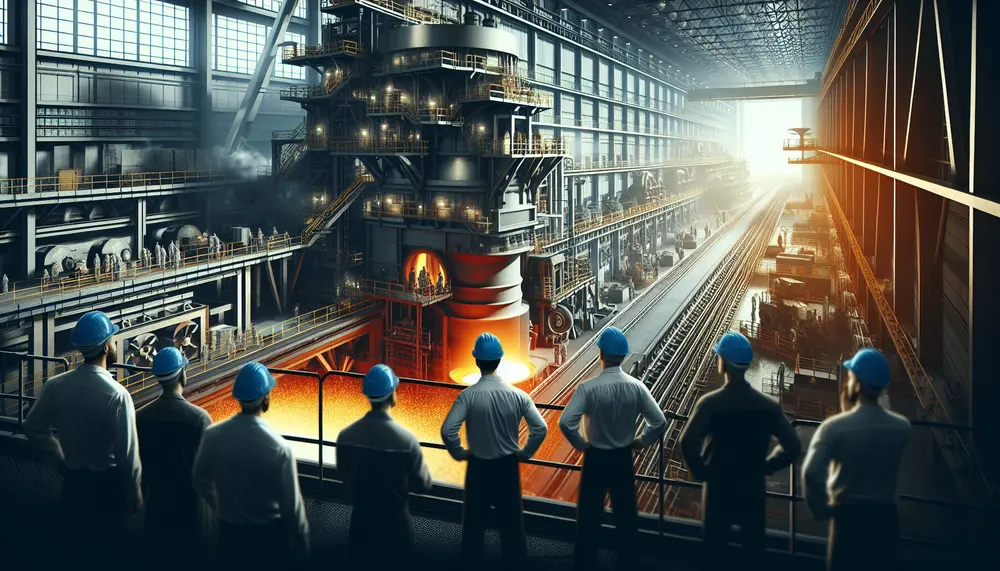
Vacuum degassing is a critical process in steel production that enhances the quality of steel by removing dissolved gases like hydrogen, oxygen, and nitrogen under vacuum conditions to prevent issues such as porosity and embrittlement. This method not only improves...
 AI-generated
The steelmaking tundish is a critical intermediary in the continuous casting process, serving as both a reservoir and buffer for molten steel while facilitating controlled flow and cleanliness to enhance final product quality. Its design has evolved since the 1950s,...
 AI-generated
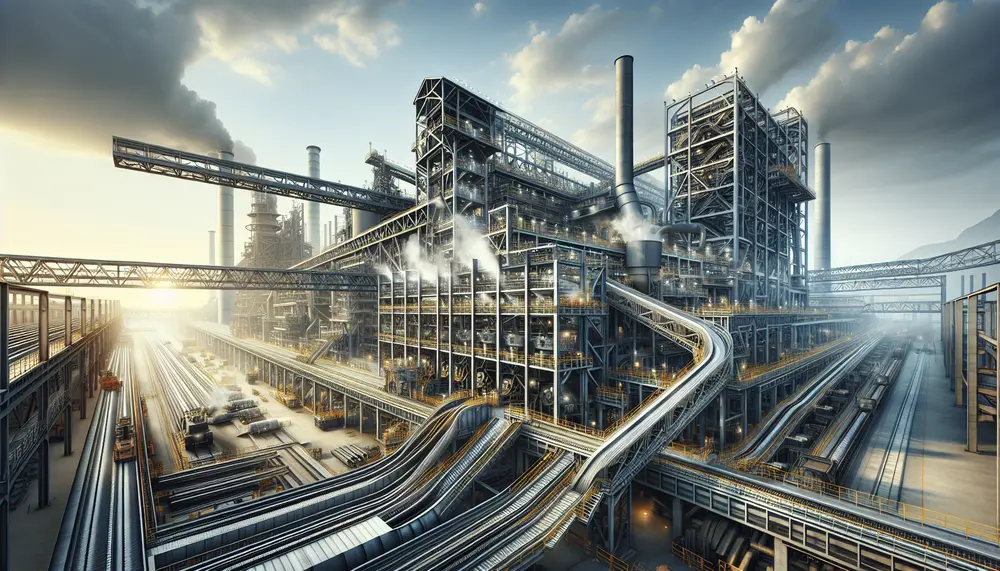
Direct Reduced Iron (DRI), crucial for sustainable steelmaking, offers an eco-friendlier alternative to traditional methods by using natural gas or hydrogen, reducing CO2 emissions and enhancing steel quality. Steel production has evolved significantly from the Bessemer process to modern techniques...
 AI-generated
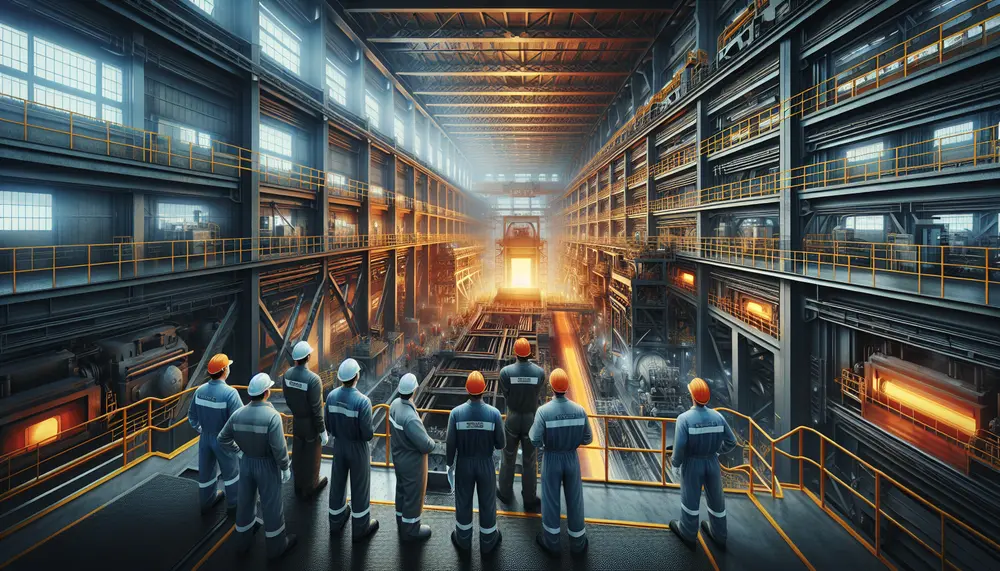
Steel making technology has evolved from primitive forges to modern, efficient mills using methods like the Blast Furnace and Electric Arc Furnace (EAF), which recycles scrap metal. Recent innovations aim at enhancing efficiency and sustainability with developments such as advanced...
 AI-generated
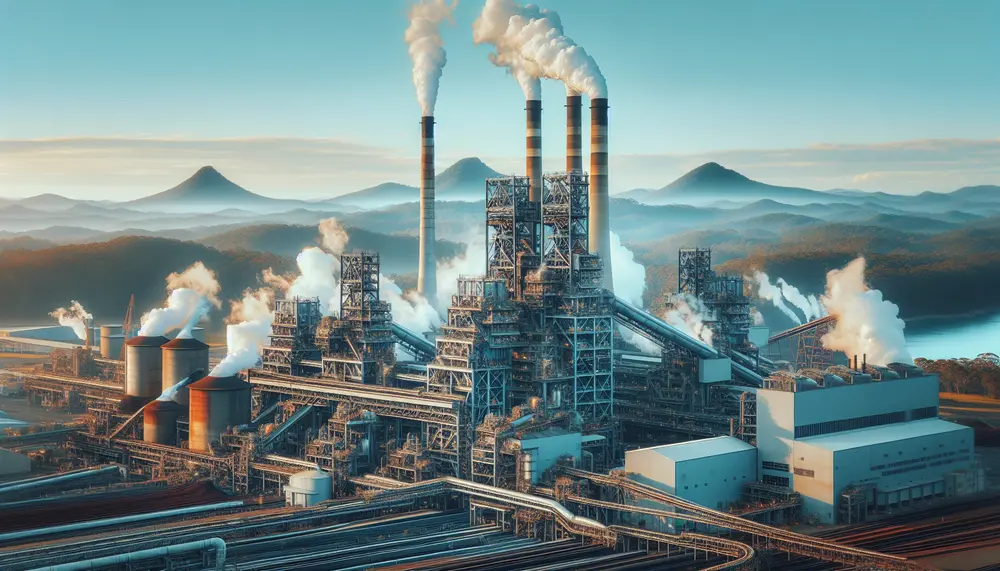
Steel making in Australia is crucial for the nation's infrastructure and economy, involving a two-stage process from iron ore to steel production using electric arc and basic oxygen furnaces. The industry has evolved over a century with technological advancements and...
 AI-generated
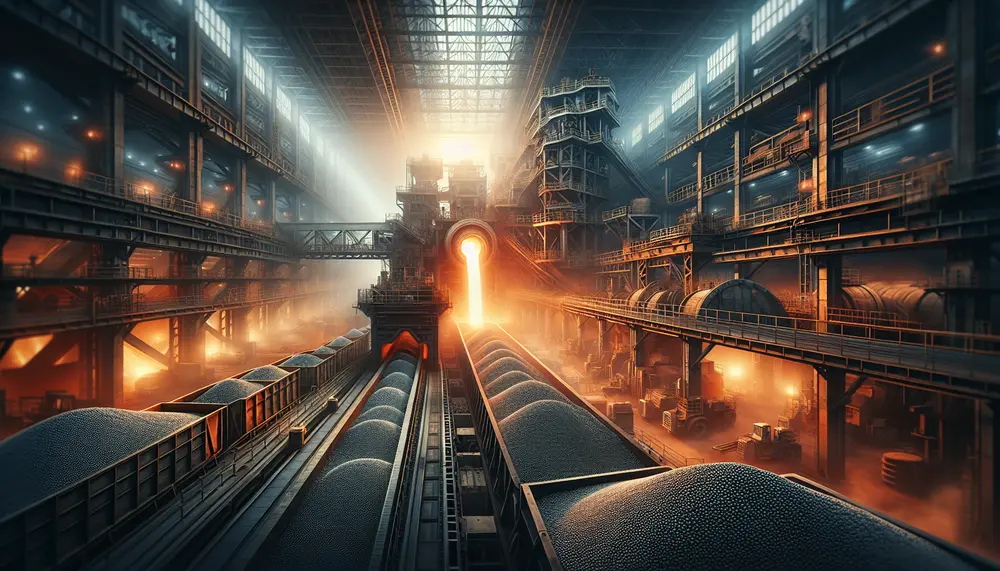
The article details the steel shot manufacturing process, from melting high-quality steel and atomizing it into droplets to cooling, sorting by size, heat treating for hardness and elasticity, conditioning for shape uniformity, tempering for toughness, rigorous testing for quality assurance...
 AI-generated
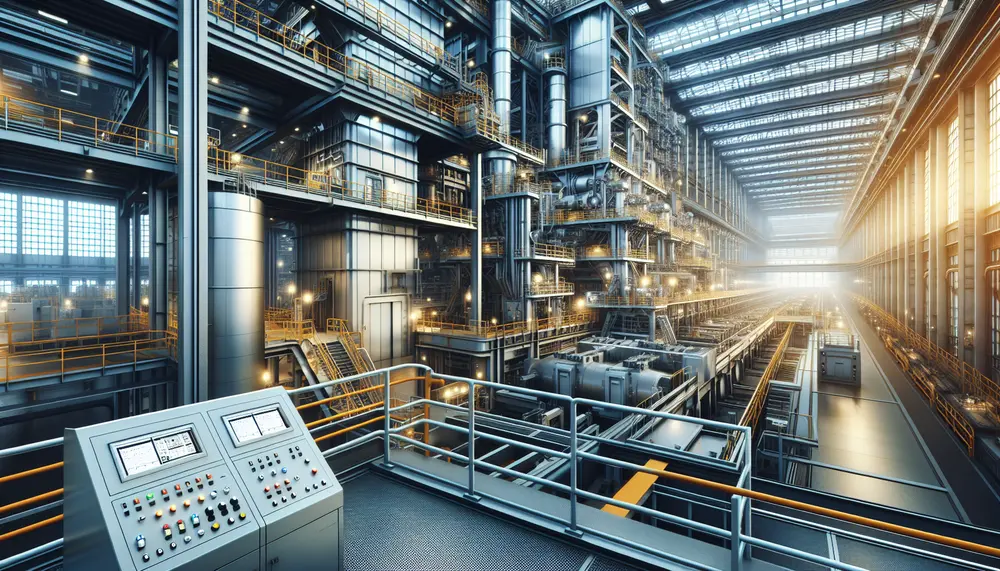
Steelmaking equipment is essential for transforming iron ore into steel, involving complex machines like furnaces and continuous casting machines that handle everything from melting to shaping. Technological advancements in this equipment have greatly improved efficiency, quality control, and environmental sustainability...
 AI-generated
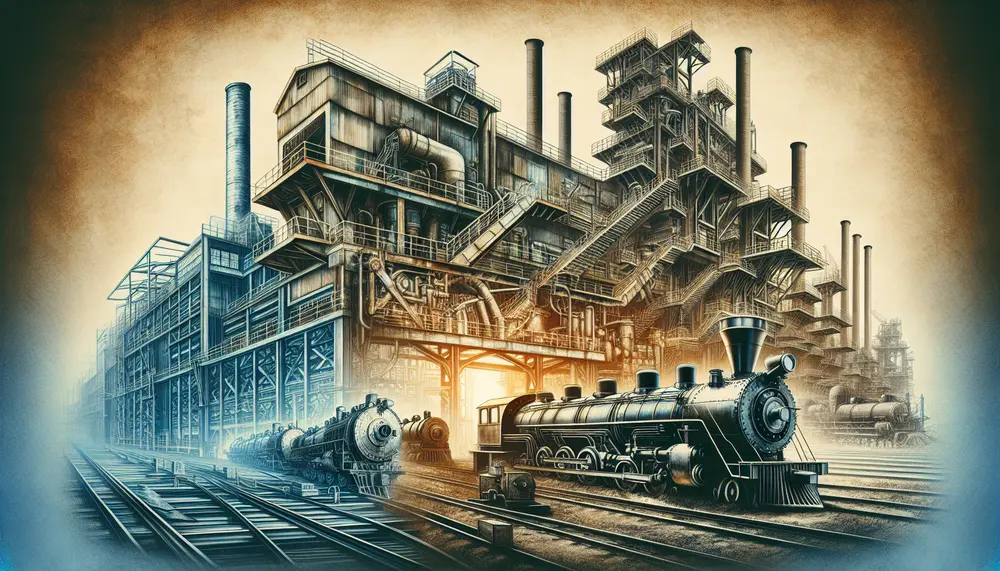
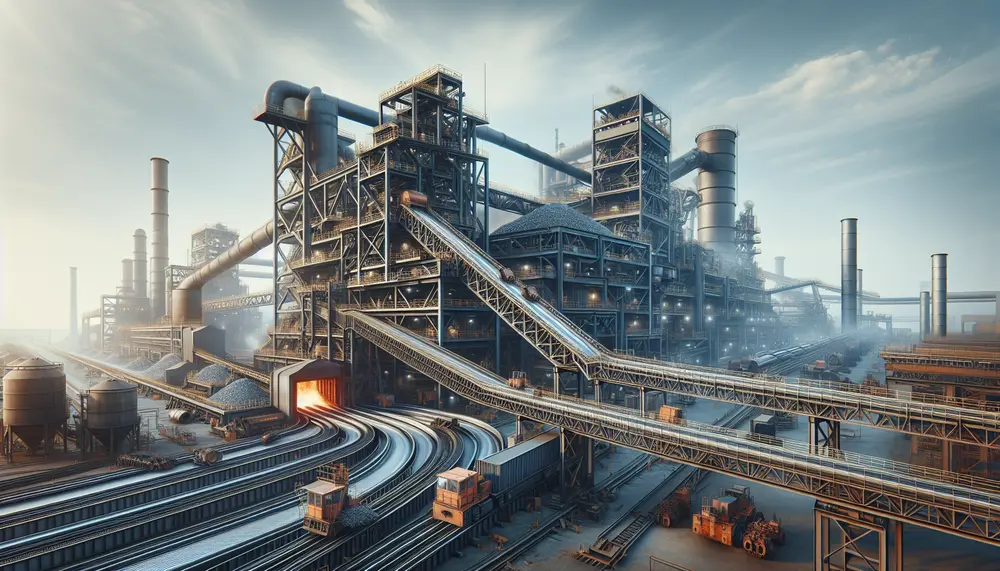
The evolution of steelmaking has progressed from labor-intensive early methods to advanced technologies like the Basic Oxygen Steelmaking and Electric Arc Furnaces, enhancing efficiency and sustainability. The once-dominant Bessemer Process was superseded due to its limitations in controlling chemical composition...
 AI-generated
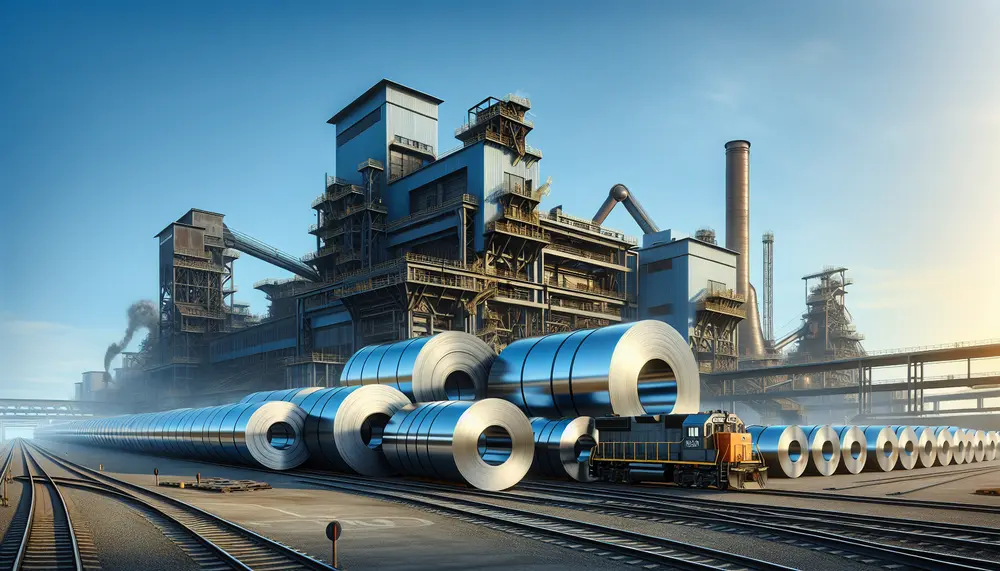
Steel manufacturing from scrap is a sustainable process that reduces environmental impact and conserves resources. It involves collection, separation, melting in an electric arc furnace, refining to remove impurities, adding alloy elements, and casting into new products; recycling steel offers...
 AI-generated
Romania's steel industry, led by LIBERTY Galati, is a key European player with strategic investments in technology and sustainability. The sector faces challenges like environmental impact but contributes significantly to the economy and innovation, aiming for carbon neutrality by 2030....
 AI-generated
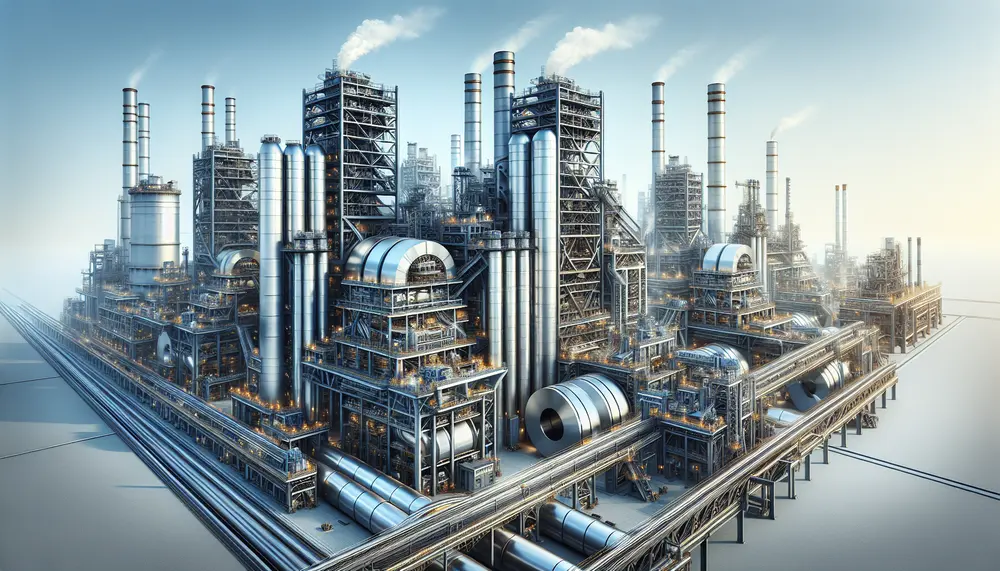
Steel production by company varies in capabilities, technologies, and strategies, affecting the global steel landscape with factors like quality and specialization playing key roles. Key players such as China Baowu Group and ArcelorMittal lead the industry while emerging producers are...
 AI-generated
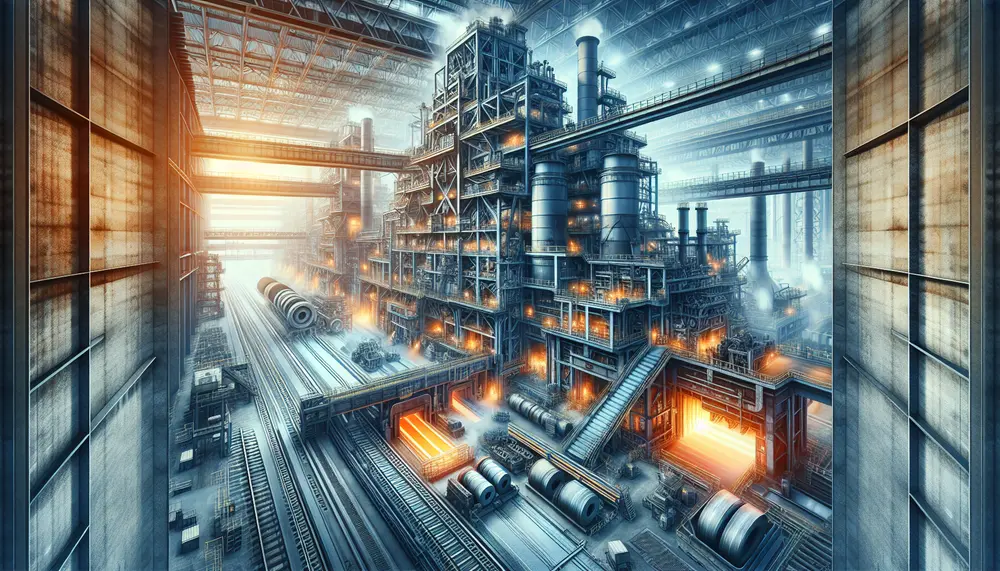
The article provides an overview of the steel making process, detailing how raw materials like iron ore, coke, and limestone are transformed into versatile and durable steel through a complex series of steps depicted in a flow diagram. It discusses...
 AI-generated
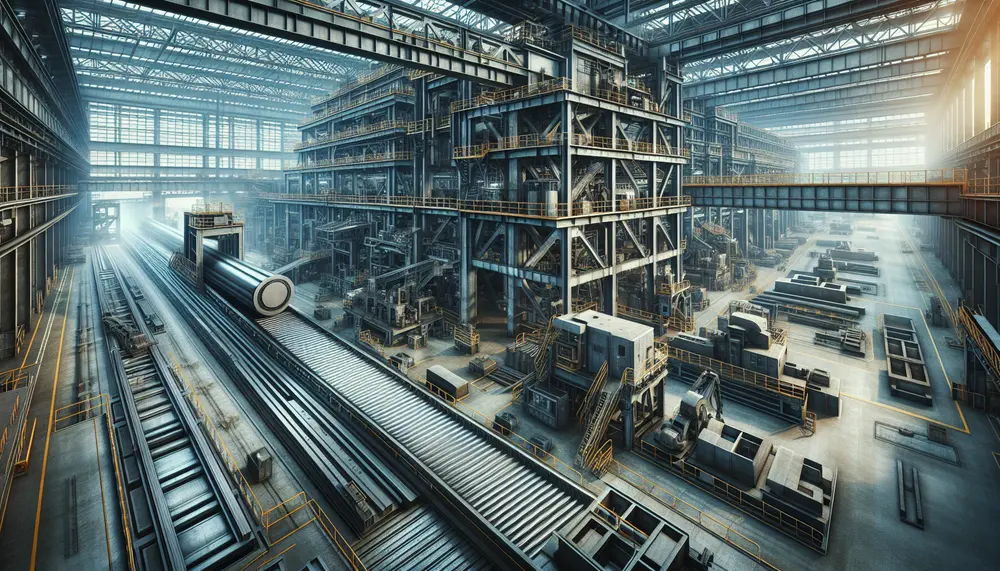
Steel manufacturing is a complex, multi-stage process that transforms raw materials into the durable metal essential for modern infrastructure. It begins with extracting iron ore and progresses through various phases including blast furnace operation and primary steelmaking methods like Basic...
 AI-generated
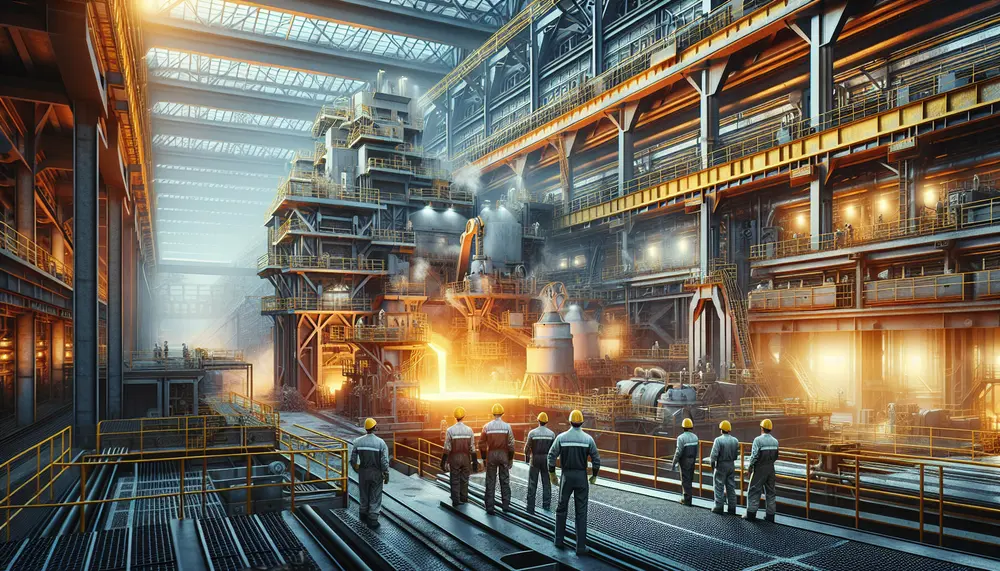
ArcelorMittal's steel making process combines traditional methods with advanced technologies, focusing on sustainability and efficiency. The company continuously innovates to improve quality and reduce environmental impact while maintaining a strategic approach to resource management in the global steel industry....
 AI-generated
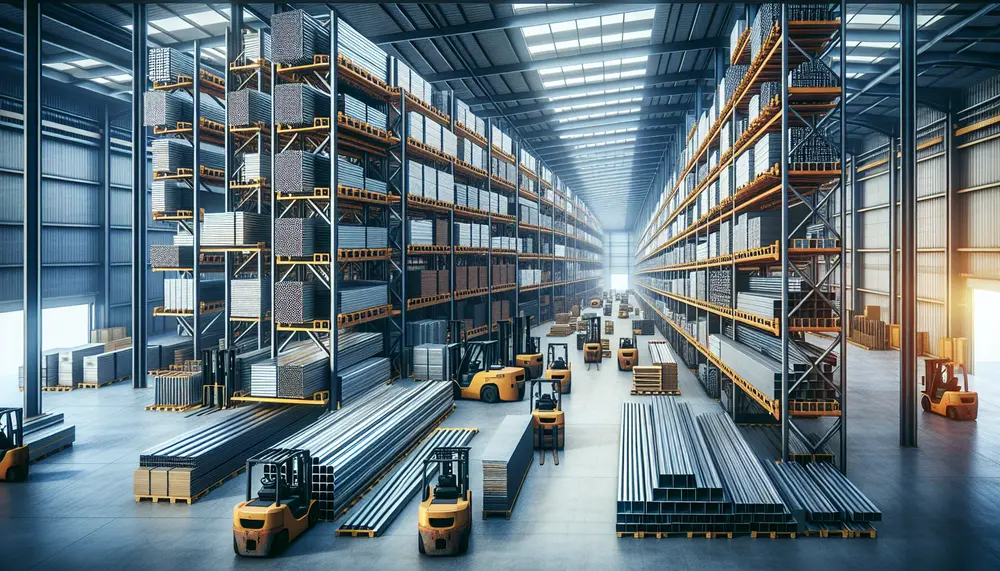
Steel production is crucial to Europe's economy, involving diverse techniques and stringent quality controls while contributing to job creation and trade. Germany leads in European steel output, with other countries like Italy and France also playing significant roles; technological advancements...
 AI-generated
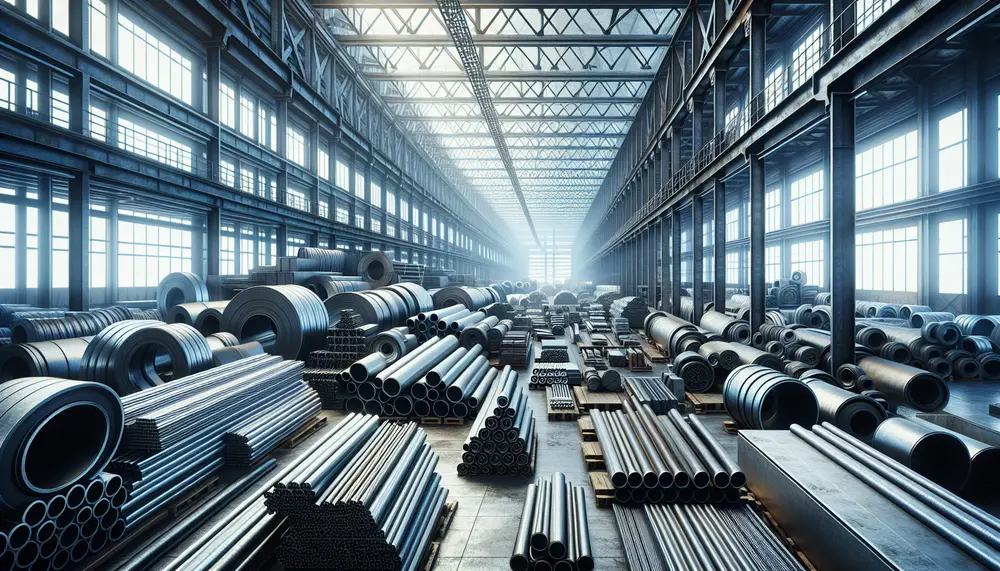
A steel product is an item predominantly made of steel, known for its durability and versatility across industries, with a wide range of forms and applications. Understanding these products involves knowledge of the production process from raw materials to finished...


